
































Alphabet Surged to a 4 Trillion Dollar Valuation Amid the Global AI Race
Google’s parent company, Alphabet, has made history by joining the exclusive $4 trillion market cap club. Driven by a massive 65% stock surge over the last year, the tech giant’s ascent is fueled by the successful launch of Gemini 3.0, a landmark AI partnership with Apple, and explosive growth in its Google Cloud division.

The Historic Ascent of the Google Empire
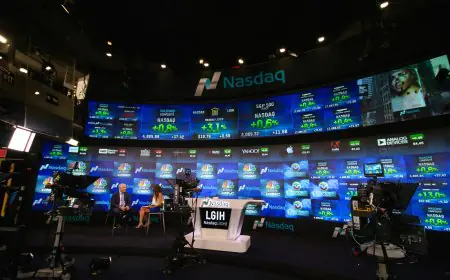
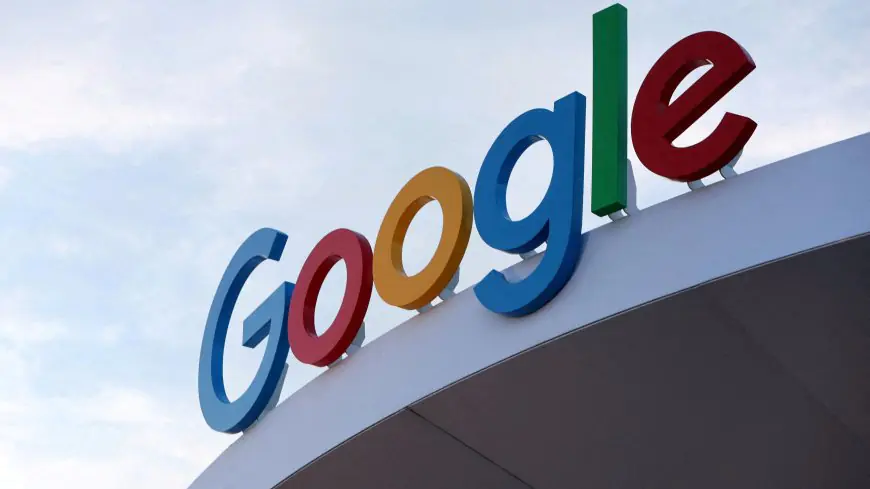
On January 12, 2026, the global financial landscape shifted as Alphabet Inc. (NASDAQ: GOOGL) officially crossed the $4 trillion market capitalization threshold. This milestone places the Google parent company in an elite circle of just four companies to ever achieve such a valuation, joining the ranks of Nvidia, Microsoft, and Apple. The surge, which saw shares reach a record high of approximately $334, marks a stunning 65% increase in value over the past twelve months.
For investors, this isn't just a number—it’s a validation of Google’s aggressive pivot toward an "AI-first" future. After a period of skepticism where critics questioned if Google had lost its lead to rivals like OpenAI, the company has spent the last year systematically dismantling those doubts. By transforming its core search engine and cloud infrastructure into a generative AI powerhouse, Alphabet has reclaimed its position as a dominant leader in the tech ecosystem.
The Apple Partnership and Gemini 3.0 Success
The "fly that broke the camel's back" for the $4 trillion milestone was a blockbuster announcement involving long-time rival Apple. In early January, the two giants confirmed a multi-year partnership that will see Google Gemini power a major overhaul of Siri. This deal effectively puts Google’s AI models into the hands of over a billion iPhone users worldwide, creating a massive data and distribution moat that is difficult for any startup to cross.
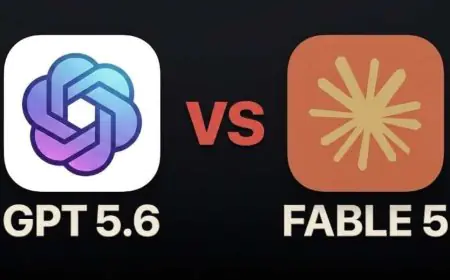
Behind this partnership is the technical success of Gemini 3.0, released in late 2025. The model has been praised by developers and enterprise clients for its speed and reasoning capabilities, often outperforming the latest versions of GPT-4 and GPT-5 in benchmarks. As noted by Anadolu Ajansı, Apple’s decision to build its future foundation models on Gemini infrastructure was the ultimate signal of confidence that Google’s technology is the "most capable foundation" available today.
Cloud Growth and Custom AI Silicon
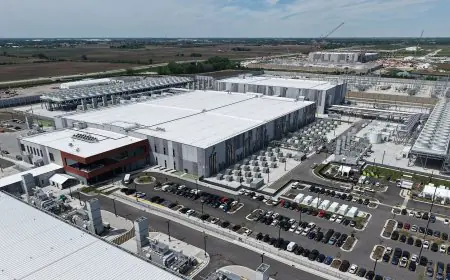
While consumer-facing AI grabs the headlines, the real engine of Alphabet’s valuation surge is Google Cloud. Once considered a distant third to Amazon and Microsoft, Google Cloud’s revenue jumped by an impressive 34% in recent quarters, with a backlog of unrecognized revenue reaching $155 billion. The unit has pivoted from a general-purpose cloud provider to the go-to destination for AI startups and enterprises looking to train massive models.
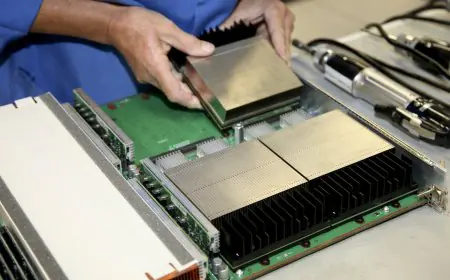
Key to this transition is Google’s internal hardware advantage. The company recently unveiled Ironwood, its seventh-generation Tensor Processing Unit (TPU). By designing its own AI chips, Alphabet has been able to offer high-performance compute at a lower cost than those relying solely on external hardware. This "vertical integration"—owning everything from the chips to the cloud to the AI models—is what has drawn rare tech investment from traditional value investors like Warren Buffett’s Berkshire Hathaway.
Overcoming Regulatory Hurdles
Alphabet’s path to $4 trillion was not without its obstacles. Throughout 2024 and 2025, the company faced significant antitrust scrutiny. However, a pivotal U.S. court ruling in September 2025 rejected the government's efforts to break up the company, allowing Google to retain control over its Chrome browser and Android operating system. This legal clarity provided the stability investors needed to go "all in" on the stock.
Furthermore, Google's advertising business has remained surprisingly resilient. Despite fears that AI search might cannibalize ad revenue, the integration of AI Overviews has actually increased user engagement in key commercial categories. According to data reported by FX Leaders, Alphabet is now effectively the world’s second most valuable company, currently trailing only Nvidia in the race for global market dominance.
What’s Next for the 4 Trillion Dollar Giant?
Looking forward into the rest of 2026, Alphabet shows no signs of slowing down. With a massive cash reserve and zero debt, the company is poised to expand into new sectors, including autonomous driving via Waymo and AI-driven healthcare through its Verily division. The market's enthusiasm suggests that as long as the AI race continues, Alphabet’s diversified ecosystem makes it a cornerstone of the modern digital economy.
The achievement of a $4 trillion valuation is a testament to the transformative power of the AI era. It reflects a world where innovation isn't just about single products, but about the massive platforms that connect them. For Google, the journey from a simple search box to a $4 trillion AI infrastructure giant is now complete, and the next chapter of the tech revolution has officially begun.