































Google Dodges Breakup but Drops Exclusive Search Deals in Antitrust Showdown
The tech giant can keep Chrome but must share search data, Judge declares.
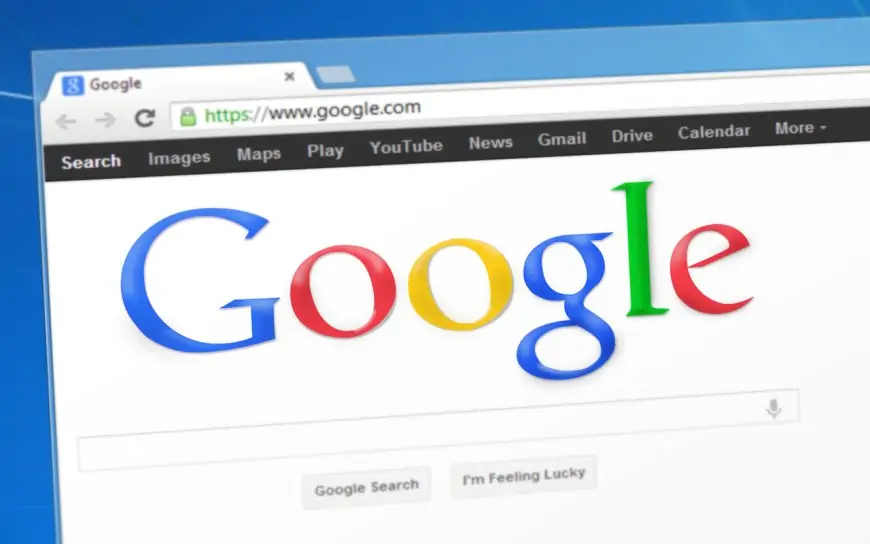
Google will not be forced to break up its search business, but a federal judge has tentatively ordered other changes to the tech giant’s business practices to keep it from further anticompetitive behavior.


Torn Exclusive Agreements
U.S. District Court Judge Amit P. Mehta outlined remedies on Google’s antitrust case, affirming that would bar Google from entering or maintaining exclusive deals that tie the distribution of Search, Chrome, Google Assistant, or Gemini to other apps or revenue arrangements. For example, Google wouldn’t be able to condition Play Store licensing on the distribution of certain apps, or tie revenue-share payments to keeping certain apps.
Google will also have to share certain search index and user-interaction data with “qualified competitors” to prevent exclusionary behavior, and it must offer search and search ad syndication services to competitors at standard rates so they can deliver quality results while building their own technology.
Mehta has not yet issued a final judgment. Instead, he ordered Google and the Department of Justice to “meet and confer” and submit a revised final judgment by September 10 that aligns with his opinion.
Broken Monopoly
The behavioral remedies come a year after Mehta ruled that Google acted illegally to maintain a monopoly in online search. A technical committee will be established to help enforce the final judgment, which will last six years and go into effect 60 days after entry.
The DOJ, which filed its antitrust suit against Google in 2020, had advocated for stronger penalties. It wanted to force Google to divest its Chrome browser and possibly Android, which resulted in some unsolicited acquisition bids, and end its agreements with Apple, Samsung, and other partners in which the tech giant paid those companies billions to make its search engine appear as the default choice on their devices and web browsers.
Apple stock popped after-hours on the news that it could continue its lucrative agreement with Google. Google spent more than $26 billion in 2021 alone to secure default search placements on devices, and about $18 billion of that spend went solely to Apple, with whom Google shares 36% of its search ad revenue from Safari. The next year, Google paid Apple more than $20 billion, per the terms of its distribution agreement.
During the trial, the judge emphasized that because most users stick with the default, those placements are “extremely valuable real estate” that effectively locked rivals out and knee-capped their ability to challenge Google’s monopoly.
The DOJ also called on Judge Mehta to force Google to share its search index, user-side data, synthetic queries, and ads data with competitors under privacy-protected terms.
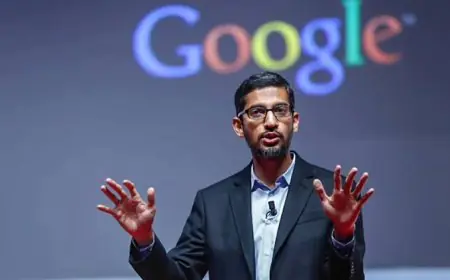
Google, which has maintained roughly a 90% market share over the traditional search market for the last decade, has argued that the government’s proposals would stifle innovation, jeopardize user privacy, and undercut the company’s ability to invest in R&D. CEO Sundar Pichai said during the remedies hearing in April that forced data-sharing would act as “de facto divestiture” for Google Search.
During the remedies hearing in April, Judge Mehta suggested he would consider Europe’s Digital Markets Act as a reference point. The DMA requires Google to share certain click and query data with third parties. Mehta’s order, by contrast, is narrower and temporary, unlike the DMA’s ongoing obligations. It’s also much more limited than the sweeping access the DOJ requested, which potentially included source code, full search ranking algorithms, and broader infrastructure elements, which Google has said would essentially give away its entire intellectual property.