


































From Smartphones to Data Centers: How RAM scarcity will reshape Tech Prices.
A structural reallocation of global silicon wafer capacity toward AI-focused High Bandwidth Memory (HBM) has triggered a massive shortage of conventional RAM in 2026. This scarcity is driving a price surge across the technology landscape, forcing smartphone manufacturers to cut specs and data centers to balloon their hardware budgets, marking the end of the era of cheap, abundant memory.
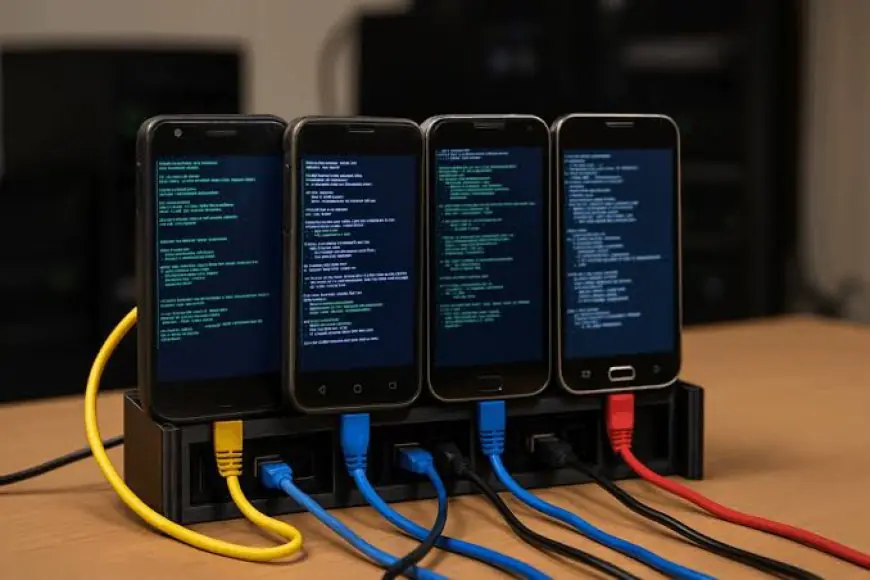


The Invisible Crisis: Why Your Next Device Will Cost More
For nearly a decade, consumers have taken for granted that every new smartphone or laptop would come with more memory for the same price. In 2026, that era has officially come to an end. A "perfect storm" in the semiconductor industry has turned memory—specifically Dynamic Random Access Memory (RAM)—into one of the most precious commodities on the planet. The culprit isn't a factory fire or a shipping delay, but a fundamental shift in how the world’s silicon is being used: the insatiable hunger of artificial intelligence.
As of January 2026, DRAM prices have surged by a staggering 171% year-over-year. This isn't just a ripple; it is a seismic wave originating in the massive data centers owned by Google, Microsoft, and OpenAI, and it is currently crashing into the pockets of everyday consumers. Whether you are buying a budget Android phone or a high-end enterprise server, the "scarcity premium" is now a permanent line item on your receipt.
The AI Vacuum: HBM vs. Consumer RAM
The root of the problem lies in a manufacturing trade-off. To power the massive large language models (LLMs) of 2026, AI accelerators require a specialized type of memory called High Bandwidth Memory (HBM). According to recent reports from TrendForce, manufacturing one gigabyte of HBM requires roughly three times the wafer capacity of standard DDR5 RAM used in PCs.
Faced with record-high margins in the AI sector, memory giants like Samsung, SK Hynix, and Micron have pivoted their production lines. They are choosing to produce the high-margin HBM for Nvidia and AMD rather than the low-margin DDR4 and DDR5 for consumer devices. This "permanent reallocation" has left the consumer market fighting for the scraps of the world’s silicon output.
Smartphones: The Bill of Materials Shock
The smartphone industry is perhaps the most vulnerable to this shift. Memory now accounts for nearly 20% of the total bill of materials for a mid-range Android device. Because budget and mid-range brands operate on razor-thin margins, they have no choice but to pass these costs directly to the consumer. Analysts at IDC project that average smartphone prices will rise by 5% to 8% throughout 2026.
In a startling reversal of a decade-long trend, many "Pro" and "Ultra" flagship models in 2026 are actually launching with less RAM than their 2024 predecessors. To keep retail prices from exploding past the $1,500 mark, manufacturers are opting to stick with 12GB configurations rather than the planned 16GB or 24GB upgrades. For the budget segment, the situation is even more dire, with some entry-level handsets reverting to 4GB of RAM to stay affordable in price-sensitive markets.
Data Centers: The 40 Percent Budget Rule
While consumers feel the pinch in hundreds of dollars, enterprise data centers are feeling it in billions. In the hardware budgets of 2026, memory subsystems now account for nearly 40% of total capital expenditure. The sheer volume of RAM needed to keep GPUs from being starved of data has forced hyperscalers to drastically increase their cloud service pricing.
This has led to a "Tiered Technology" society. Large corporations with deep pockets can afford the local compute power needed for real-time AI, while smaller businesses and enthusiasts are being priced out of the hardware market. Companies like Sandisk and Micron have reported record profits as they ride this "supercycle," but for the broader ecosystem, the cost of innovation has never been higher.
Looking Ahead: Is There an End in Sight?
If you are waiting for prices to "normalize" by the end of the year, the data suggests you may be waiting in vain. Most manufacturing capacity for 2026 has already been pre-sold to major tech firms via rigid futures contracts. New factories (fabs) currently under construction in the U.S. and South Korea aren't expected to reach meaningful volume until mid-2027 or 2028.
For now, the advice for consumers and IT procurement officers is the same: preserve your current hardware. The 2026 memory crisis has transformed RAM from a cheap commodity into a strategic asset. In this new landscape, the "more is better" philosophy has been replaced by a much harsher reality: "get what you can afford."