
































Alone Together: The Rise of AI in Closing the Human Connection Divide
AI tech is rising to the loneliness challenge with multiple platforms for interactions.

Whoever thought loneliness would quietly become one of the most lucrative markets of the 21st century? What was once considered a personal struggle is now driving billions in investment as entrepreneurs and tech companies rush to monetize human isolation.

The Scale of the Problem
The numbers are staggering. Surgeon General Vivek Murthy declared loneliness a public health epidemic, with health impacts comparable to smoking 15 cigarettes daily. Nearly half of Americans report feeling lonely, with younger generations hit hardest despite being more digitally connected than ever.
This widespread isolation has created what economists call the "loneliness economy" – a rapidly growing market of products and services designed to combat social disconnection. It’s not just U.S. though, it is becoming a worldwide problem.
AI Solutions
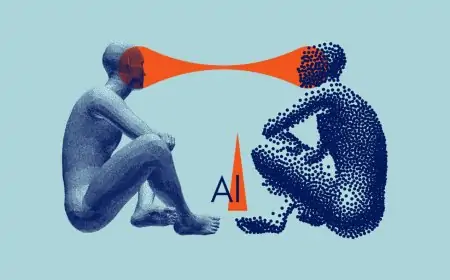
Enter artificial intelligence. As traditional social structures weaken and in-person connections become scarcer, AI companions are emerging as the most scalable solution to mass loneliness.
Companies like Replika, Character.AI, and Inflection AI have collectively attracted millions of users seeking digital companionship. These platforms offer AI friends, romantic partners, and confidants available 24/7, never judging, always listening, and infinitely patient.
The appeal is obvious: AI companions don't have bad days, don't break up with you, and can be customized to match ideal personality traits. They're particularly popular among young men, elderly individuals, and those with social anxiety – demographics often struggling most with real-world connection.
A Thriving Business
The financials are compelling. Replika generates millions in revenue through premium subscriptions. Character.AI was valued at $1 billion. Meanwhile, venture capital is pouring into startups promising everything from AI therapy bots to digital romantic partners.
The model is simple but effective: offer basic companionship for free, then charge for deeper emotional features, customization options, or premium interactions. Users, starved for connection, often pay willingly.
The Double-Edged Solution
While AI companions provide genuine comfort to many users, they raise profound questions. Are we solving loneliness or simply creating a more palatable version of it? Critics argue that digital relationships might further erode social skills and reduce motivation to form human connections.
There's also the concerning potential for emotional dependency. Unlike human relationships that involve give-and-take, AI companions are designed to be endlessly accommodating – potentially creating unrealistic expectations for real relationships.
Here to Stay?
The loneliness economy shows no signs of slowing. As AI becomes more sophisticated and human connection continues to fragment, digital companionship will likely become even more mainstream and profitable.
The question isn't whether AI will continue filling this void – it's whether we're comfortable with a future where artificial relationships become a primary source of human connection. In addressing one crisis, we may be creating another: a society that finds it easier to connect with machines than with each other.
The market has spoken: loneliness sells. Whether that's a solution or a symptom of our deeper problems remains to be seen.