























Sam Altman Low Key Criticizes Qwen and DeepSeek for Copycat AI Models
Sam Altman on a low key accusing Qwen and DeepSeek of copying OpenAI's innovations, sparking debate over originality in AI development. His remarks highlight challenges in maintaining innovation amid rising competition from open-weight models.

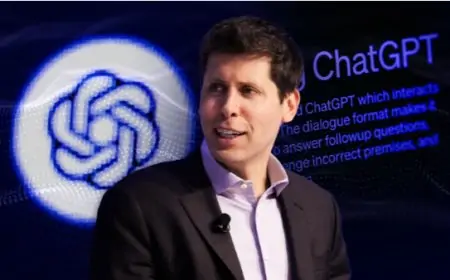
Open AI CEO Sam Altman has stirred controversy with a tweet accusing competitors Qwen and DeepSeek of copying OpenAI’s innovations. “It is (relatively) easy to copy something that you know works,” he wrote, emphasizing the difficulty of creating groundbreaking technologies without guaranteed success.

Sam Altman, in his characteristic cryptic style, hinted at upcoming developments in a recent tweet. Followers speculated that he was alluding to open-source projects stealing their own innovative ideas and breakthrough approaches to disrupt the market.
it is (relatively) easy to copy something that you know works.
it is extremely hard to do something new, risky, and difficult when you don't know if it will work.
individual researchers rightly get a lot of glory for that when they do it! it's the coolest thing in the world. — Sam Altman (@sama) December 27, 2024
The comments come as Qwen and DeepSeek gain traction with open-weight AI models that rival OpenAI’s GPT-4 in performance while being more cost-efficient for training and inference. These advancements pose a significant challenge to OpenAI’s business model, which heavily relies on proprietary technologies.Altman’s remarks sparked mixed reactions online. Some defended the competitive landscape as a natural evolution of technology, while others criticized OpenAI for restricting access to its own research after benefiting from open-source foundations. This debate underscores the growing tension between proprietary AI development and the rise of open-weight alternatives reshaping the industry.