


































Elon Musk Says xAI Used Distillation To Compete In AI Race
Elon Musk claims xAI used model distillation from OpenAI systems during courtroom testimony, sparking debate over industry practices, competition, and the ethics of AI development.
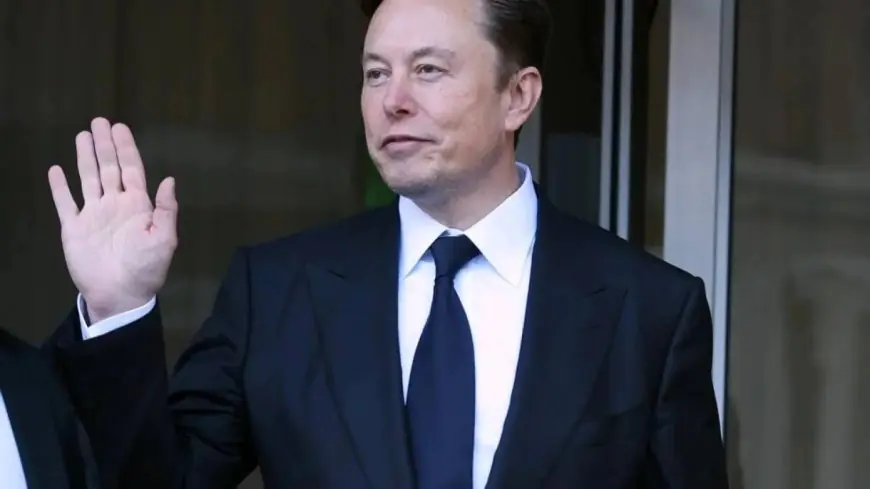


In a courtroom moment that quickly sent ripples through the artificial intelligence industry, Elon Musk revealed that his company, xAI, has used a technique known as distillation to train its models—drawing, at least in part, from outputs generated by OpenAI systems. The statement, made during ongoing legal proceedings involving OpenAI, adds a new layer of complexity to an already tense rivalry between some of the biggest players in AI.
Distillation, while technical in nature, is not new. It refers to the process of training smaller, more efficient models using the outputs of larger, more complex ones. In simple terms, a powerful model acts like a teacher, generating responses that a smaller model then learns from. Musk defended the practice as standard across the industry, arguing that it is widely used to improve performance while reducing computational costs.
The controversy, however, lies in the source of the training data. If one company’s models are being used—directly or indirectly—to enhance another’s, questions around intellectual property, consent, and fair competition quickly come into play. Musk’s remarks suggest that the boundaries between innovation and appropriation may not be as clearly defined as many assume.
The timing of these revelations is significant. The broader AI landscape is currently shaped by intense competition among firms racing to build faster, smarter, and more scalable systems. Techniques like distillation are increasingly attractive because they allow companies to replicate high-level capabilities without the enormous cost of training massive models from scratch. For startups and newer entrants like xAI, this approach can dramatically accelerate development.
Still, industry observers are divided. Some experts see distillation as a practical and necessary tool, especially in a field where efficiency and speed are critical. Others argue that using outputs from proprietary systems raises ethical and legal concerns, particularly if it undermines the original developer’s competitive advantage. The outcome of the ongoing case could set an important precedent for how AI companies operate moving forward.
Beyond the legal implications, Musk’s testimony also reignites a broader debate about OpenAI’s evolution. He has been vocal in criticizing the organization’s shift from its original nonprofit mission to a more commercial model. This tension adds another dimension to the dispute, blending technical arguments with questions about the direction and governance of AI development.
What makes this situation particularly compelling is how it reflects the current state of the AI race. Innovation is no longer just about building bigger models—it is about finding smarter, more efficient ways to achieve similar results. Techniques like distillation are at the center of this shift, offering both opportunity and controversy in equal measure.
For readers looking to understand the technical foundations of model distillation, resources like this foundational research paper provide useful context, while industry updates can be followed on platforms such as OpenAI’s official blog. As the legal and technological narratives continue to unfold, one thing is certain: the rules of AI competition are still being written in real time.