



































Trump Blocks State AI Rules with Bold Executive Order
President Trump has signed an executive order centralizing AI regulation at the federal level, prohibiting states from enacting their own rules to streamline national policy and boost U.S. AI leadership.
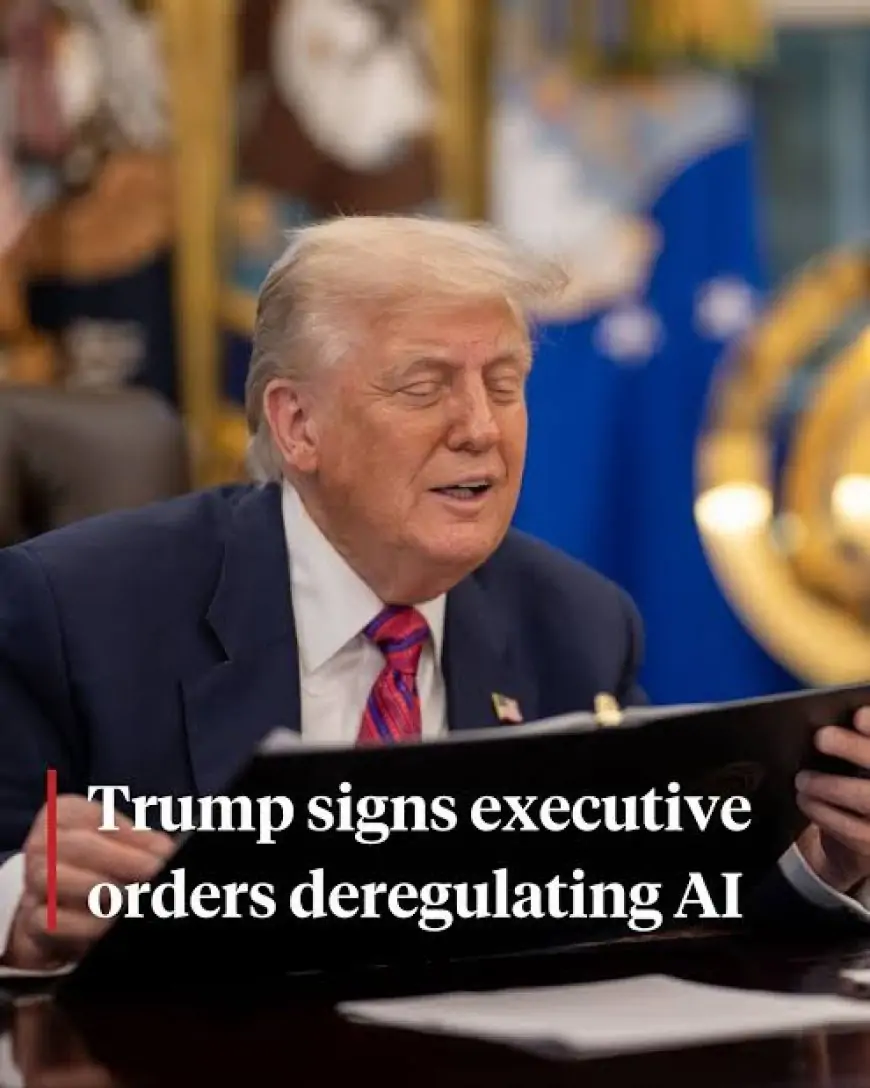
President Donald Trump has signed an executive order that bars U.S. states from imposing their own artificial intelligence regulations, marking a decisive move to consolidate AI oversight under federal authority. The order aims to eliminate a patchwork of state laws that could stifle innovation and hinder America's competitiveness against global rivals like China. By centralizing policy in Washington, the administration seeks to create a unified framework prioritizing rapid AI deployment across industries from defense to healthcare.


The directive explicitly preempts state-level initiatives, such as California's proposed AI safety mandates and New York's bias auditing requirements, which critics argued would create compliance nightmares for businesses operating nationwide. Supporters, including tech industry leaders, hail the move as essential for maintaining U.S. dominance in the AI race, where fragmented rules risk driving companies overseas. The order directs federal agencies to develop national standards focused on national security, economic growth, and minimal bureaucracy.
This centralization effort builds on Trump's broader agenda to deregulate emerging technologies, echoing his first-term actions on autonomous vehicles and data privacy. It positions the federal government as the sole arbiter of AI rules, with enforcement through the Commerce Department and potential penalties for non-compliant states. Enterprise AI adoption is expected to accelerate, as companies gain predictability in scaling models without navigating 50 different regulatory environments.
Legal challenges from states like California are anticipated, but the order leverages constitutional supremacy to override local measures deemed burdensome to interstate commerce. Industry analysts predict this will spur investment in domestic AI infrastructure, aligning with recent sovereign AI pushes seen globally. The policy underscores a philosophy that uniform federal guidance, rather than state experimentation, best equips the U.S. to lead the next technological revolution.