



























Why the 2026 Memory Shortage is Fueling Record Sandisk Gains While Threatening Personal Computers
A structural reallocation of memory manufacturing toward AI infrastructure has triggered a global RAM and NAND shortage in 2026. While the "supply crunch" has sent Sandisk (SNDK) stock up over 70% in early 2026, the personal computing market faces a crisis of rising costs and downgraded hardware specifications.


The Great Silicon Reallocation of 2026
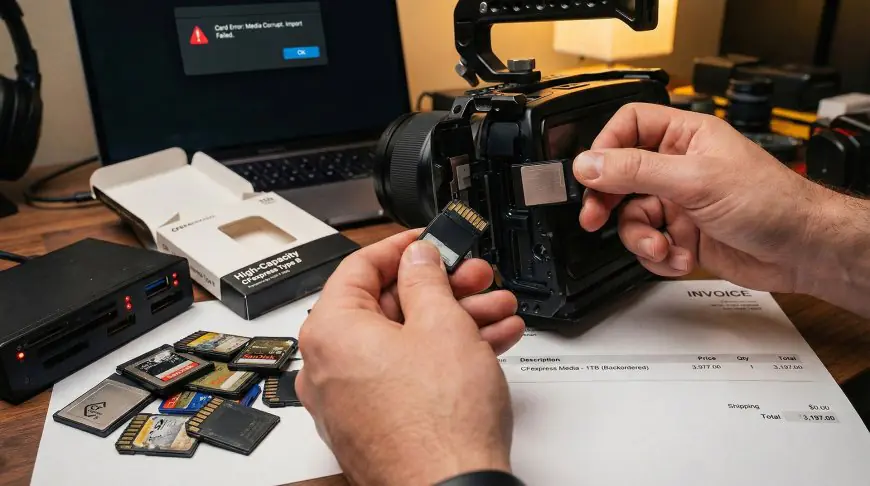
The tech world is currently navigating a "RAMpocalypse" that is far more structural than the cyclical fluctuations of the past. As of January 20, 2026, a massive global memory shortage has taken hold, driven by the insatiable appetite of AI data centers for High Bandwidth Memory (HBM) and enterprise-grade DDR5. In a desperate race to support trillion-parameter models, memory titans like Samsung and SK Hynix have reallocated their limited wafer capacity away from consumer electronics, leaving the personal computing and smartphone markets in a state of severe drought.
This pivot has created a "perfect storm" for Sandisk Corporation (NASDAQ: SNDK). Since spinning off from Western Digital in February 2025 to focus exclusively on NAND flash memory, the company has become the ultimate "picks and shovels" play of the AI era. While consumers struggle with rising prices, Sandisk is enjoying record-breaking margins, with its stock price surging more than 70% in the first three weeks of 2026 alone.
Sandisk: From Subsidiary to AI Hardware Powerhouse
The timing of the Western Digital split could not have been more fortuitous. By operating as an independent entity, Sandisk has been able to aggressively capitalize on the NAND supply crunch. The company recently rebranded its popular Western Digital "Blue" and "Black" SSD lines under the new Optimus name at CES 2026, specifically targeting the burgeoning "AI PC" market. These high-performance drives are currently seeing "insatiable and price-insensitive demand" from enterprise clients who are outbidding consumer retailers for every available gigabyte.
According to analysis from Barchart, Sandisk’s revenue is projected to jump by 44% this fiscal year. Investors have responded by pushing the stock past the $400 mark, a staggering 1,000% increase since its relisting last year. Analysts at Bernstein have noted that as AI models get larger, the need for "nearline storage"—where Sandisk excels—will only accelerate, potentially pushing profit margins to record levels through 2027.
The Crisis in Personal Computing: It is Worse Than You Think
While Sandisk shareholders celebrate, the outlook for the average computer buyer is increasingly bleak. The shortage of conventional DRAM and NAND is forcing major PC manufacturers like Dell and Lenovo to hike prices by as much as 15% to 20% in early 2026. For many, the "AI PC" dream is being deferred by the reality of component costs. In a startling reversal of a decade-long trend, some entry-level laptops are shipping with downgraded specifications, returning to 8GB of RAM just to keep retail prices below $1,000.
Industry experts warn that the shortage is not a temporary shock but a fundamental shift in the silicon supply chain. As noted by Windows Central, data centers are expected to consume nearly 70% of global memory capacity by the end of 2026. This leaves consumer electronics brands with reduced leverage, leading to a "hardware ceiling" where only the most expensive flagship devices can afford the latest high-capacity memory kits.
What Consumers Should Expect Through 2027
The "useful life" of budget computers is now under threat. As software continues to bloat with AI features, machines with 8GB or even 12GB of RAM are finding themselves underpowered sooner than expected. For those looking to upgrade, the cost of a 32GB DDR5 kit has spiked by over 250% in certain regions, leading some hardware analysts to treat RAM as a "retirement investment" rather than a commodity.
- Price Instability: Stability in memory pricing is not expected until late 2027 at the earliest.
- Consolidation: Smaller PC manufacturers like Acer and MSI face existential risks as they struggle to secure supply agreements against hyperscale giants.
- Design Compromises: Expect more laptops with non-upgradeable, soldered-on memory as manufacturers try to maximize efficiency in a supply-constrained environment.
A New Economic Reality
The 2026 memory shortage has effectively split the tech world into two camps: the "memory haves" and the "memory have-nots." Companies like Sandisk, which control the production of the world’s most sought-after silicon, are reaping the rewards of a once-in-a-generation supercycle. Meanwhile, the personal computing market—the very industry that built the digital age—is being forced to navigate a future where its primary components are being diverted to feed the insatiable hunger of the cloud.