

























CardioMind: A Game-Changer for Cardiovascular Diagnosis in China
The Chinese AI model, CardioMind moves to revolutionize cardiovascular health in groundbreaking advancement.
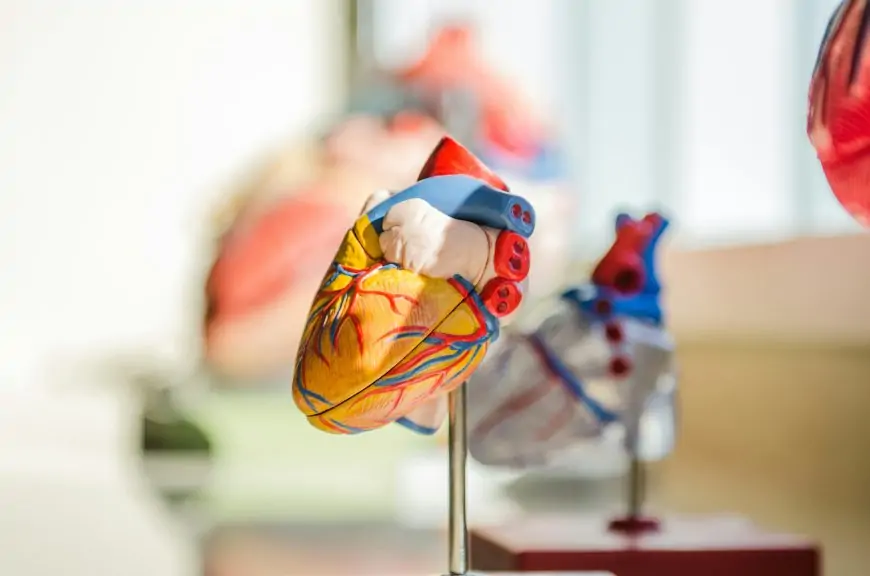
Health is a critical aspect of life that needs constant advancements and now, the Zhongshan Hospital affiliated with Fudan University and the Shanghai Institute for Advanced Study jointly released CardioMind. This is China's first cardiovascular specialty medical AI large model. It's an innovative technology that marks the arrival of a new era of intelligent cardiovascular diagnosis and treatment.

How Does It Work?
Dubbed the "AI Cardiologist," the model is designed to mimic the thinking patterns of top experts, improving the efficiency of cardiovascular disease diagnosis and treatment. Academician and director of cardiology, Ge Junbo, stated at the launch that CardioMind is not just about inputting data into AI; it's about teaching AI to think and reason like an expert.
The model carries an integration of various forms of diagnostic data to help it achieve intelligent automation throughout the entire process. From medical history collection to auxiliary diagnosis, CardioMind significantly enhances the diagnostic and therapeutic capabilities for treatment.
Furthermore, the development team revealed that the model's knowledge base focuses on cardiovascular diseases, covering multiple sub-specialty areas, including coronary heart disease, arrhythmias, and heart failure. The biggest highlight of the design is breaking through the limitations of traditional AI models, enabling it to process multi-modal data such as electrocardiograms, ultrasound images, and laboratory tests. As a result, the integration allows doctors to obtain more accurate auxiliary diagnoses, especially when dealing with complex cases.
Less Load on Doctors
According to Ge Junbo, Zhongshan Hospital's cardiology department received 820,000 patients last year. With the help of CardioMind, doctors can see more patients and also reduce their daily workload. Zhou Jian, president of Zhongshan Hospital, further noted the advantages of this innovation, pointing out that with the application of AI technology, medical work will gradually achieve "autopilot," allowing doctors to focus more on research into difficult cases and in-depth communication with patients.
While this model represents groundbreaking news, the security of medical data and the ethical issues of AI remain challenges for the industry. The CardioMind team has addressed data security, by establishing a strict data firewall to ensure the encryption of patient privacy information. Furthermore, the application of AI in medical decision-making requires more comprehensive legal regulations, ensuring that doctors' legal liabilities are protected.
There's room for improvement, with CardioMind set to improve its functions, including personalized treatment decision support, machine learning for disease risk prediction, and surgical planning assisted by image data. CardioMind will translate the experience of top experts into replicable "digital diagnostic capabilities," accelerating the dissemination of high-quality medical resources.