


































China's Core AI Industry Hits $142 Billion Milestone as Global Tech Race Intensifies
China’s core artificial intelligence industry has officially surpassed the 1 trillion yuan (~$142 billion) mark in 2025, driven by a massive surge in industrial integration, "embodied intelligence," and a thriving domestic chip ecosystem.


A Historic Milestone for China’s Digital Economy
As we wrap up 2025, the global landscape of artificial intelligence has seen a seismic shift. This Friday, during a national conference on industry and information technology in Beijing, the Ministry of Industry and Information Technology (MIIT) announced that China’s core AI industry has officially surpassed the 1 trillion yuan mark—roughly $142 billion USD. This isn't just a round number; it represents a fundamental pivot in how the world’s second-largest economy is leveraging technology to rewrite its industrial future.
While the headlines in the West have often focused on the race toward Artificial General Intelligence (AGI), China has taken a noticeably different path. The "AI Plus" initiative has successfully embedded machine learning into the very fabric of the country's manufacturing and supply chains. According to official reports from Xinhua, this growth has been fueled by a 9.2% increase in high-tech manufacturing value-added, proving that AI is no longer a laboratory experiment but a critical driver of "real-world productive forces."
The Engines of Growth: Manufacturing and Robotics
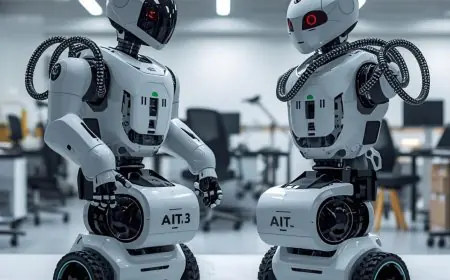
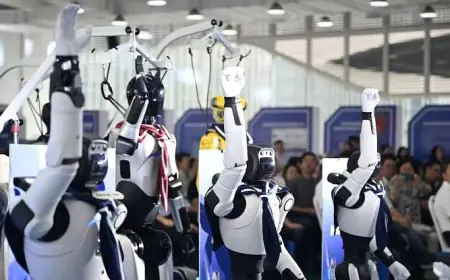
One of the most striking details from the 2025 data is the rapid adoption of large-language models (LLMs) in the heavy industrial sector. In just twelve months, the share of AI applications in Chinese manufacturing jumped from under 20% to nearly 26%. This transition is most visible in what experts call "embodied intelligence"—the fusion of advanced AI with robotics. This sector alone attracted over 40 billion yuan in financing this year, supporting a fleet of over 350 companies that are now deploying humanoids and autonomous systems in warehouses and factories across the mainland.
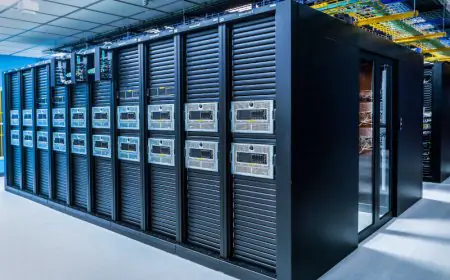
Furthermore, the domestic chip industry has defied external pressures to become a cornerstone of this $142 billion ecosystem. In a significant win for local supply chains, Chinese-made AI processors now account for over half of the hardware used in the country's data centers. This shift has not only reduced reliance on imported silicon but has allowed startups to build and deploy models like DeepSeek at a fraction of the cost required by their American counterparts.
Beyond the Factory: AI in Daily Life
It’s not just the industrial giants reaping the benefits. The MIIT report highlighted a consumer boom in smart wearables and AI-integrated devices. Online sales of AI glasses, smartwatches, and sensory equipment rose by more than 23% in 2025. This consumer surge is supported by the fact that over 700 generative AI large models have now completed official filing procedures, offering everything from personalized healthcare advice to real-time linguistic translation for China's diverse dialects.
Looking Toward 2026 and the 6G Horizon
As the country looks toward 2026, the strategy remains focused on "independent and controllable" development. The Ministry has already begun outlining a roadmap that integrates AI with next-generation connectivity, with plans to launch commercial 6G applications by 2030. This long-term vision suggests that the $142 billion milestone is merely a foundation for a much larger "intelligent economy."
According to analysis by China Daily, the current momentum is also fostering a more collaborative international stance. Despite the competitive friction with Silicon Valley, Beijing has proposed the establishment of a World Artificial Intelligence Cooperation Organization, signaling a desire to set global standards for the responsible use of AI in public governance and industrial safety.
For global observers, the message is clear: China's AI sector has moved past the "perception" phase and is now firmly in the era of "cognition and application." With its vast market scale and deep integration into manufacturing, the trillion-yuan barrier was always a matter of when, not if. The real story for 2026 will be how this massive digital infrastructure begins to transform global trade and productivity at scale.