






































Deutsche Bank Warns US Economic Expansion May Rely Unsustainably on AI Surge
The Apex bank says the current growth levels lack real output and faces an $800B shortfall by 2030.

The U.S. economy may be staying above water because of massive AI infrastructure spending, but warning signs are emerging. Deutsche Bank says this tech-led expansion is built on shaky ground, driven more by capital spending than real productivity. As global AI capex soars and GDP growth outside tech stalls, concerns are growing that the current momentum cannot last and may mirror past tech bubbles.


Increased Growth, But at What Costs?
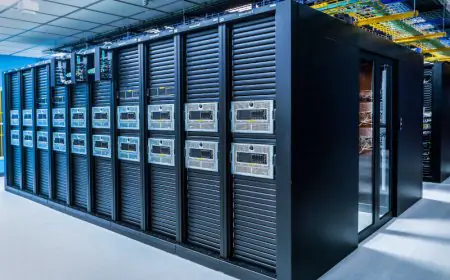
Deutsche Bank warns that current U.S. economic growth is being artificially supported by AI-related capital spending. A large part of the growth comes from heavy investments in physical infrastructure like data centers and power systems.
According to the bank, this wave of spending is holding off a potential recession. Without it, U.S. real GDP growth would be close to zero. Most of this investment is not yet producing visible productivity benefits, raising concern about its long-term value.
Goldman Sachs estimates that global AI capex reached $368 billion between early 2023 and mid-2025. Much of this money has gone into building and upgrading physical assets rather than into software or applications that drive business efficiency.
Unrealistic Expectations
Deutsche Bank warns that for this spending to keep lifting GDP, the growth rate would need to accelerate at a “parabolic” pace. The bank points out that such a pattern is mathematically unlikely and cannot be sustained over time.
This creates pressure for AI software and services to quickly deliver the promised productivity. However, current output gains from AI tools remain limited, and timelines for meaningful improvements do not match the speed of infrastructure development.
Tech investments now account for more than one percentage point of GDP growth, based on data from Arch Global Economics. This exceeds the levels seen during the dot-com bubble, raising concerns about history repeating itself.
Risk to Long-Term Viability
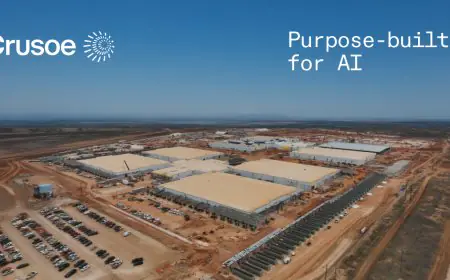
A report from Bain & Co. adds further concern by projecting a major funding gap in AI infrastructure by 2030. The consultancy estimates that $2 trillion will be needed annually to meet computing demands, but only $1.2 trillion in revenue is expected, leaving an $800 billion shortfall.
This gap could result in overcapacity, as firms invest more than the market can support. If growth slows or margins shrink, the industry could face a sharp correction, similar to what happened during the early 2000s tech crash.
Investors may also face exposure, as tech stocks are currently responsible for about half of the S&P 500’s growth this year. A reversal in the AI sector could have broader effects across financial markets and the overall economy.
Productivity Gains Still Possible
While Deutsche Bank sees risks in the current spending pattern, others like Goldman Sachs remain more optimistic. They believe AI will gradually boost U.S. GDP by 0.4 percentage points annually, rising to 1.5% in the longer term.
Still, this pace may not justify the level of spending seen today. If productivity gains continue to lag, the current building spree may outpace demand and returns. Deutsche Bank notes that the economy may be relying too heavily on a sector whose full potential has not yet materialized.
The research concludes that while AI will likely contribute to growth, current conditions show a mismatch between expectations and economic returns.