

























Intel’s New CEO Lip-Bu Tan Announces Spin-Off of Non-Core Units
Intel’s CEO Lip-Bu Tan unveiled plans to spin off non-core assets and refocus on core competencies, aiming to revitalize the company’s competitiveness in AI and chip manufacturing.
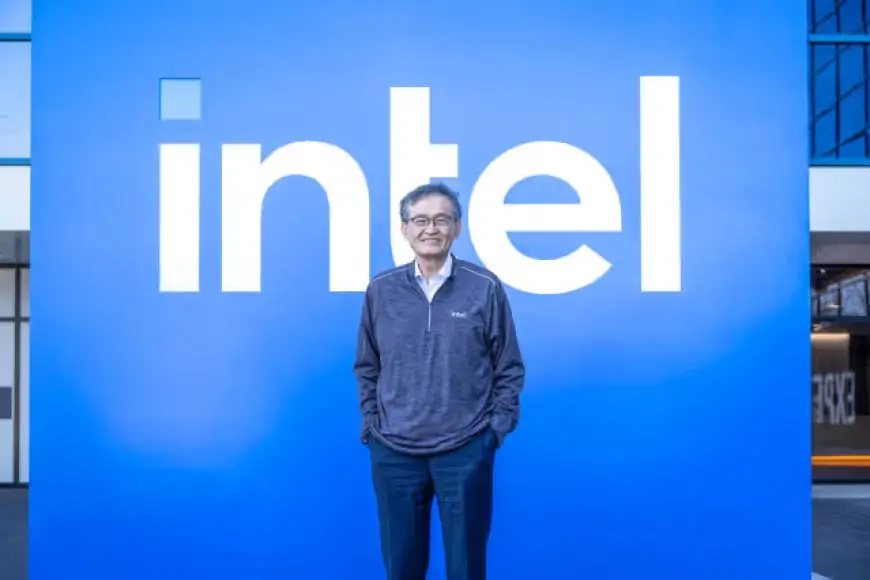
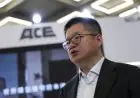
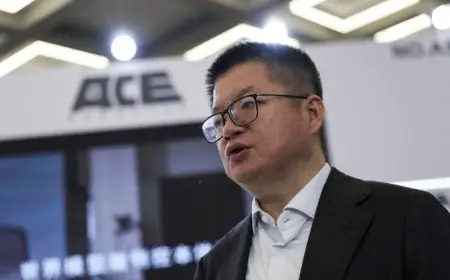
Intel CEO Lip-Bu Tan has outlined a transformative strategy to spin off non-core units and prioritize engineering excellence, signaling a major shift for the chipmaker as it battles competition in AI and advanced manufacturing. Tan, who succeeded Pat Gelsinger in March 2025, emphasized a return to Intel’s engineering-first roots while addressing underperforming divisions and talent retention challenges.

Spin-Off Plans and Strategic Focus
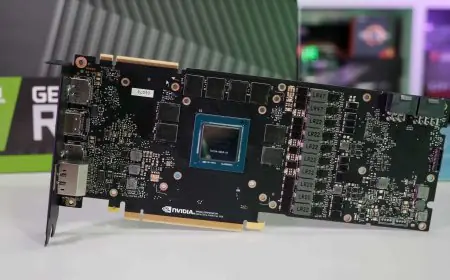
Tan confirmed Intel will divest non-core assets to streamline operations, though specifics remain unclear. Bloomberg reported Silver Lake Management is in talks to acquire a majority stake in Altera, a programmable logic subsidiary. Meanwhile, Intel’s autonomous driving arm, Mobileye, remains a strategic priority, with no plans for divestment. The move aligns with Tan’s broader goal to sharpen Intel’s focus on AI, data centers, and advanced manufacturing—areas where rivals like NVIDIA and AMD have gained ground.
Engineering and Talent Overhaul
Tan acknowledged Intel’s recent struggles, including delayed product launches (e.g., Sapphire Rapids Xeons) and talent attrition in data centers. He pledged to recruit top engineers and adopt a “startup culture” to drive innovation, urging partners to “be brutally honest” about Intel’s shortcomings. Key priorities include:
-
AI Accelerators: Overhauling Intel’s Gaudi chips after missing revenue targets and canceling Falcon Shores to focus on rack-scale systems.
-
18A Process: Accelerating production of Intel’s 18A node, with Panther Lake CPUs launching later in 2025. NVIDIA and Broadcom are reportedly eyeing this technology.
-
Client Computing: Strengthening PC chips amid competition from Apple and Qualcomm, while leveraging AI at the edge.
Market Reaction and Challenges
Intel’s stock initially rose post-announcement but dipped 1.2% after Tan’s remarks, reflecting lingering uncertainty. Analysts note the spin-offs and talent push are critical to reversing Intel’s 8% quarterly growth slowdown compared to competitors like AMD. However, skepticism persists about execution, given past delays and the complexity of competing with NVIDIA’s dominance in AI chips.
Long-Term Vision
Tan hinted at exploring emerging fields like quantum computing and robotics, areas where Intel has existing investments. He also highlighted photonics, citing his ties to startup Celestial AI, which aims to replace electronic interconnects with optical networks for faster AI systems.