


















The Growing Role of Artificial Intelligence in Improving Precise Weather Forecasts
Forecasters are relying more on AI for life-saving weather forecasts.
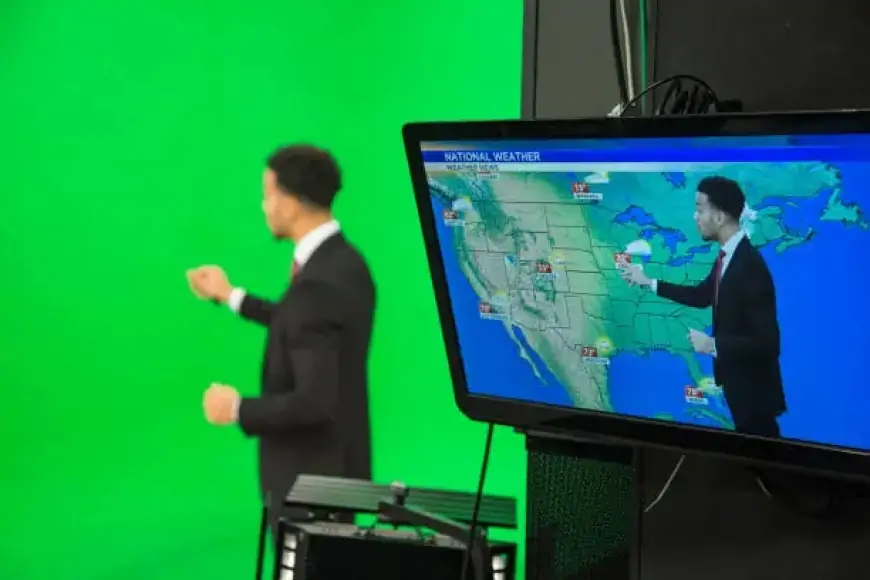
AI-powered forecast models are emerging as game changers in the field of meteorology, especially when it comes to forecasting hurricanes.

Making Precise Weather Predictions
Michael Fischer studies machine learning and its potential to forecast storms at the University of Miami.
According to him, “for a given storm, sometimes they’ve beaten traditional, like, leading hurricane models even. A-I is such a rapidly growing field. Even the techniques and things that we were using a few years ago are kind of obsolete in some realms. There are such continuing improvements in the field. It’s exciting to be pushing the envelope of what we can do.”
Earlier this summer, Google released its DeepMind AI weather model, which specializes in tropical weather.
The model uses data from about 5,000 storms to learn from past trends to predict the future.
“I will say that they are promising. They really are promising, and I think not any one AI-model, but the culmination of all the AI research and technology is going to push the overall hurricane program forward with better accuracy,” said Jamie Rhome, deputy director of the National Oceanic and Atmospheric Administration’s National Hurricane Center in Miami, Florida.
The Challenges
The biggest obstacle for AI-driven weather models is the lack of observations and quality weather data.
“We need to have as accurate an initial state as possible. If we have something wrong, that can snowball with time and cause errors. So, I think it's also going to depend on how we can improve our observations and continue adding new satellites with better resolution,” said Fischer.
One person hoping to make a difference is from right here on the Southwest Florida Gulf Coast.
Naples native William Bouza, now one of Fischer’s students at the University of Miami, remembers the chaos as Hurricane Irma was heading for South Florida.
“That time where the cone just kept moving from Miami to Naples to Miami. It was like, why is this happening? How can I stop that? I think it could allow them to get the message quicker. It could improve the way the hurricane center gives them that message. And I think it can improve just the hurricane center's overall forecast," Bouza said.
Fischer agrees.
“I'm excited about potentially creating more accurate forecasts, providing tools to help forecasters make more accurate forecasts so we can help save lives and property in the path of these really devastating storms," Fischer said.