





























AI Innovations Enhance Protection for Undersea Cables and Pipelines
NATO and private companies are deploying AI technologies to safeguard critical undersea infrastructure against rising threats, including sabotage and natural disasters.
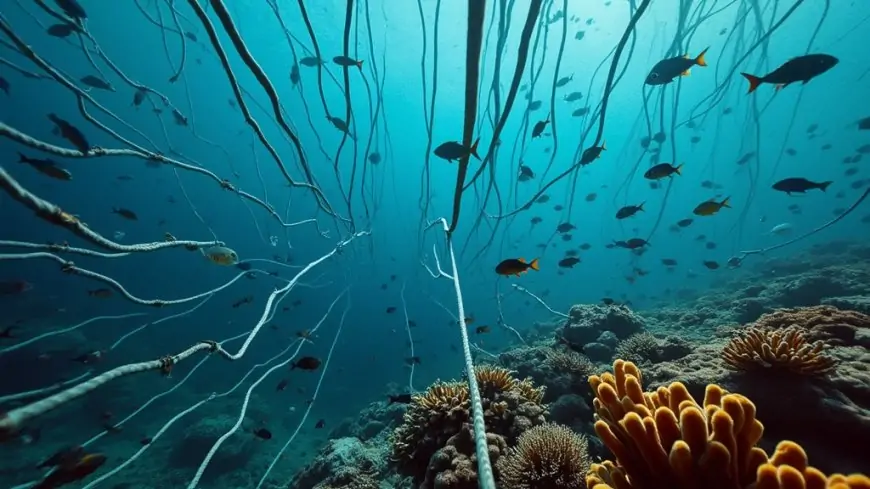
The increasing reliance on undersea cables and pipelines for global communication and energy has made them prime targets for sabotage and accidental damage. Recent incidents, such as the attacks on submarine cables and pipelines in 2024 and the Nord Stream explosions in 2022, underline the vulnerabilities of these critical infrastructures. In response, organizations like NATO and private firms are leveraging artificial intelligence (AI) to enhance monitoring and protection efforts.

NATO's Centre for Maritime Research and Experimentation (CMRE) has developed an AI-driven tool named Mainsail, designed to analyze maritime traffic patterns. This system identifies ships exhibiting suspicious behavior that could indicate potential threats to undersea infrastructure. By utilizing advanced algorithms, Mainsail can detect anomalies in real-time without requiring constant human oversight. This capability allows NATO's Maritime Command to respond swiftly to emerging threats.
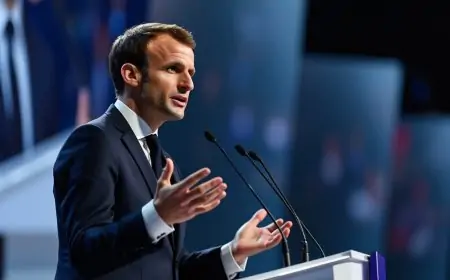
The CMRE emphasizes the importance of rapid national responses to incidents affecting undersea cables. For instance, Finland's quick action following a cable breach serves as a model for other nations. The need for improved data sharing among NATO allies is also critical in building a collective defense against evolving threats. Eric Pouliquen, CMRE director, pointed out that while countries are becoming more resilient, the economic and social consequences of attacks on undersea infrastructure remain significant.
In addition to NATO's efforts, companies like Windward are introducing innovative solutions to protect maritime infrastructure. Their Critical Maritime Infrastructure Protection solution employs AI to monitor high-risk vessels and flag suspicious activities. By analyzing historical data and behavioral patterns, this system empowers organizations—ranging from government agencies to energy companies—to proactively assess risks before they escalate into serious disruptions.
The sheer scale of undersea infrastructure complicates monitoring efforts. With over 500 cables spanning approximately 1.4 million kilometers across deep ocean regions, conventional surveillance methods fall short. AI-powered solutions can sift through vast amounts of data quickly, enabling organizations to differentiate between accidental damage and deliberate sabotage.
Moreover, as geopolitical tensions rise and technology advances, the risk of underwater attacks increases. The use of unmanned underwater vehicles (UUVs) for reconnaissance or sabotage poses new challenges for protecting these assets. Experts highlight that traditional reliance on the remoteness of these infrastructures is no longer sufficient; proactive measures are essential.
AI also plays a crucial role in enhancing operational efficiencies within the submarine cable ecosystem. Companies like Ciena are utilizing AI for network performance optimization, predictive maintenance, and intelligent threat detection. These innovations help minimize downtime and improve overall resilience against potential attacks.
In conclusion, the deployment of AI technologies by NATO and private enterprises marks a significant advancement in safeguarding vital undersea cables and pipelines. As threats continue to evolve, ongoing collaboration between governments and industry stakeholders will be essential in fortifying these critical infrastructures against both intentional sabotage and natural disasters.