
































Artificial Intelligence Could Elevate Trade Performance by 40%, According to WTO
The projected increase is down to widespread AI adoption in several sectors, including in trades.
The World Trade Organization (WTO) has projected that widespread adoption of artificial intelligence coupled with the right enabling policies, could increase the value of global cross-border flows of goods and services by up to 40% and boost global GDP by as much as 13% by 2040.

This comes against the backdrop of the WTO’s flagship World Trade Report, which underscores AI’s transformative potential to lower trade costs, enhance productivity, and reshape the global trading landscape.
Planned Approach
The report, released on Tuesday, warns, however, that the benefits of AI-driven trade growth will only be broadly shared if governments close the digital divide, invest in workforce skills, and maintain open, predictable trading environments.
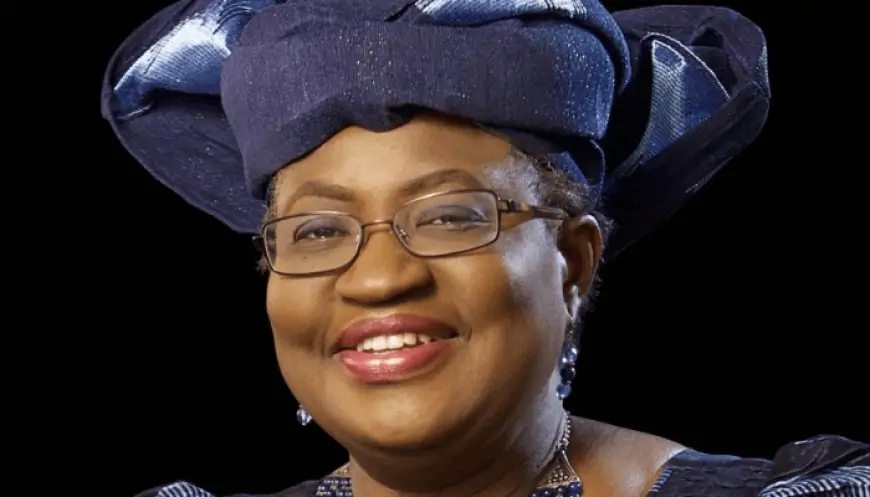
“AI has vast potential to lower trade costs and boost productivity. However, access to AI technologies and the capacity to participate in digital trade remains highly uneven”, WTO Director-General Ngozi Okonjo-Iweala said in her foreword to the report.
“With the right mix of trade, investment, and complementary policies, AI can create new growth opportunities in all economies. The WTO is committed to supporting this effort”.
The report projects that under scenarios where low- and middle-income economies are able to narrow their digital infrastructure gaps with high-income economies by half and adopt AI technologies more widely, their average incomes could rise by 15% and 14% respectively by 2040.
Under similar conditions, global trade could expand by 34–37% while global GDP could grow by 12–13%.
Enhanced Growth
The WTO noted that trade can serve as a powerful enabler of AI-supported growth by facilitating access to AI-enabling goods such as raw materials, semiconductors, and intermediate inputs.
Global trade in these critical goods reached about $2.3tn in 2023, according to the report.
Despite AI’s potential, the report cautions that access to AI-related goods and technologies remains uneven. The number of quantitative restrictions imposed on AI-related goods has increased sharply, rising from 130 measures in 2012 to nearly 500 in 2024, mainly driven by high- and upper middle-income economies. Bound tariffs on some AI-enabling goods remain as high as 45% in certain low-income countries.
The report stresses that without deliberate policy interventions, AI could widen existing inequalities both within and between economies. It calls for sustained investments in education, training, and appropriate labour market policies to prepare workers for AI-related transitions and prevent technological disruption from exacerbating social divides.
The WTO said it is playing a critical role in supporting inclusive access to AI and its benefits by providing a forum for members to discuss AI-related trade measures.