


































Google Taps Amin Vahdat as AI Infrastructure Chief in Infrastructure Arms Race
Google promotes veteran Amin Vahdat to chief technologist for AI infrastructure, signaling massive $90B+ data center push amid fierce competition with Microsoft and Amazon for AI dominance.
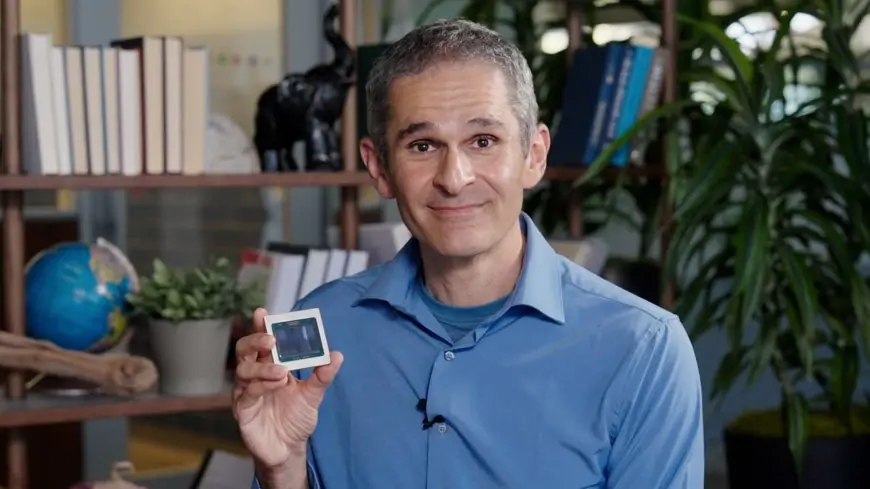
Google has appointed longtime executive Amin Vahdat as chief technologist for AI infrastructure, a new role reporting directly to CEO Sundar Pichai amid the company's aggressive expansion of its computing backbone. Vahdat, who joined Google from academia 15 years ago, oversees critical systems like the Jupiter network for data center connectivity, Borg cluster management, custom TPU chips, and Axion Arm-based CPUs, positioning Google to handle unprecedented AI workloads. Google Cloud CEO Thomas Kurian emphasized this elevation establishes AI infrastructure as a core company focus, with capital expenditures surpassing $90 billion by year-end 2025, mostly funneled into data centers and hardware.

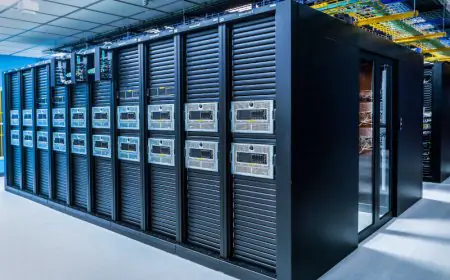
The move intensifies Google's response to the global AI infrastructure race, where hyperscalers compete for power-hungry facilities, custom silicon, and efficient orchestration to avoid idle chips amid surging demand. Vahdat's team transformed Jupiter into a high-speed backbone and enhanced Borg for galactic-scale task allocation, akin to advanced Tetris for compute optimization, while navigating community pushback on energy use. This internal promotion leverages Google's scale advantage over rivals like Microsoft (partnered with OpenAI) and Amazon (expanding AWS chips), supported by a $155 billion cloud backlog.
As AI training and inference demands explode, Vahdat's leadership aims to synchronize massive builds with precise timing, ensuring economic viability without overbuilding. Google's in-house TPUs and software stack provide a competitive edge, returning to its data center roots while projecting even higher capex in 2026. Enterprises benefit from reliable, low-latency AI services, fueling adoption in analytics and generative applications.
Industry observers view Vahdat's C-suite ascent as validation of Google's long-term infrastructure bets paying off in the AI era. Balancing disciplined spending with rapid scaling remains key as power shortages and regulatory hurdles loom globally