































Human-Robot Love 2025: The Rise of Female Robot Intimacy
Dr. Ian Pearson's 2016 report predicts a significant shift in human intimacy by 2025, suggesting women might prefer robots over human partners for sexual satisfaction.
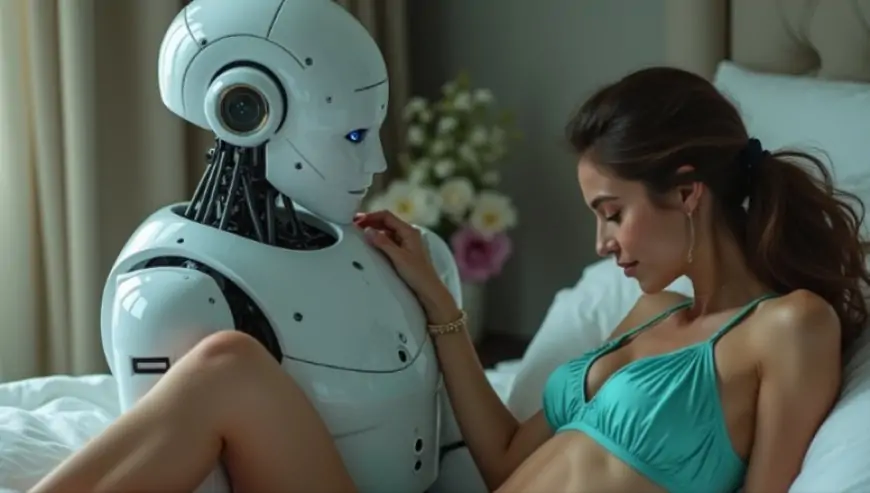
A groundbreaking study by futurologist Dr. Ian Pearson suggests that women may overtake men in adopting AI-powered intimate companions as early as 2025


This robophilia prediction, part of a report commissioned by online retailer Bondara, highlights a significant shift in the landscape of human-robot interactions and sexual wellness technology. Dr. Pearson's research indicates that advancements in artificial intelligence and robotics will drive this trend, with affluent households likely to be early adopters of these sophisticated AI companions.
The study points to several factors contributing to this projected surge in female engagement with robotic partners:
- Customization and Personalization: AI companions can be tailored to meet specific preferences, offering a level of personalization that human partners may not match.
- Judgment-Free Interactions: Robotic partners eliminate concerns about social stigma or judgment, allowing users to explore their desires freely.
- Emotional Bonding: Advanced AI could enable these companions to form strong emotional connections, simulating friendship and companionship.
- Technological Familiarity: Women's existing comfort with sexual wellness devices may give them a "technological head start" in adopting more advanced AI companions.
The study suggests that by 2030, virtual reality sex experiences will become commonplace, with further integration of haptic technology expected by 2035. Dr. Pearson even predicts that by 2050, robotic intimacy could surpass human sexual relationships in popularity. While these predictions may seem far-fetched to some, the growing acceptance of sexual wellness technology and the rapid advancements in AI suggest that society may be more prepared for this shift than initially thought. Dr. Pearson notes, "A lot of people will still have reservations about sex with robots at first, but gradually as they get used to them, as the AI and mechanical behaviour and their feel improves, and they start to become friends with strong emotional bonds, that squeamishness will gradually evaporate".
It's important to note that this study does not suggest a complete replacement of human relationships. Instead, it points to a potential complementary role for AI companions in addressing unmet needs and potentially improving mental health. As we approach 2025, it remains to be seen how accurate these predictions will prove. However, the study undoubtedly raises important questions about the future of intimacy, relationships, and the role of technology in our most personal experiences.
The conversation around robot intimacy has shifted significantly from a binary choice between humans and robots to a more nuanced integration of technology into our romantic lives. Technology has begun to complement human relationships in ways nobody saw coming. Dating apps have revolutionized how we meet potential partners, and AI chatbots are already serving as emotional support systems for many people. The focus has moved from replacement to enhancement, from competition to cooperation between human connection and technological innovation. It is clear that the future of human intimacy looks vastly different from what was envisioned in 2016. While AI and robotics will undoubtedly continue to play an increasing role in our love lives, they are more likely to serve as tools for enhancing human connections rather than replacing them entirely.