

































Revolutionizing Influence: Chinese AI Avatars Rake in $7 Million Within Hours
A Chinese entrepreneur made millions after streaming with an interactive digital avatar.

Avatars generated by artificial intelligence are now able to sell more than real people can, according to a collaboration between Chinese tech company Baidu and a popular livestreamer.


Smart Innovation
Luo Yonghao, one of China's earliest and most popular livestreamers, and his co-host Xiao Mu both used digital versions of themselves to interact with viewers in real time for well over six hours on Sunday on Baidu's e-commerce livestreaming platform "Youxuan", the Chinese tech company said. The session raked in 55 million yuan ($7.65 million).
In comparison, Luo's first livestream attempt on Youxuan last month, which lasted just over four hours, saw fewer orders for consumer electronics, food and other key products, Baidu said.
Luo said that it was his first time using virtual human technology to sell products through livestreaming. "The digital human effect has scared me ... I'm a bit dazed," he told his 1.7 million followers on social media platform Weibo, according to a CNBC translation.
Luo started livestreaming in April 2020 on ByteDance's short video app Douyin, in an attempt to pay off debts racked up by his struggling smartphone company Smartisan. His "Be Friends" Douyin livestream account has nearly 24.7 million followers.
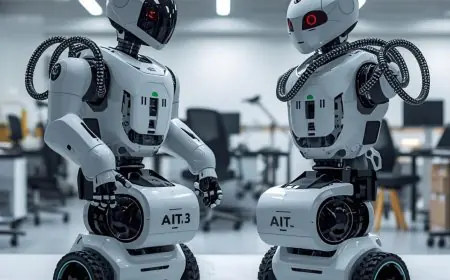
Luo's and his co-host's avatars were built using Baidu's generative AI model, which learned from five years' worth of videos to mimic their jokes and style.
Historic Achievement
"This is a DeepSeek moment for China's entire livestreaming and digital human industry," DeepSeek, China's version of OpenAI, rattled global investors in January with its claims of rivaling ChatGPT at far lower costs and using an open-source approach.
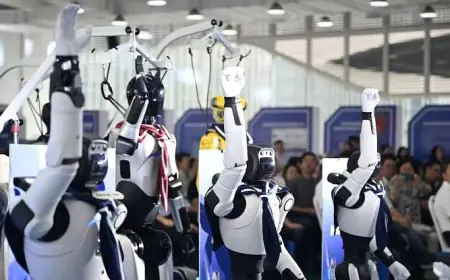
AI avatars can sharply reduce costs since companies don't need to hire a large production team or a studio to livestream. The digital avatars can also stream nonstop without needing breaks.
"We have always been skeptical about digital people livestreaming," Wu said, noting the company had tried out various kinds of digital humans over the years.
But he said that Baidu now offers the best digital human product currently available, compared to the early days of livestreaming e-commerce five or six years ago.
More Adoptions
Livestream shopping took off in China after the pandemic forced businesses to find alternative sales channels. More people are turning to livestreaming to earn money from commissions and virtual gifts amid slower economic growth.
Meanwhile, other Chinese companies, including tech giant Tencent, have developed tools to create digital people that can be used as news anchors. In late 2023, several businesses started trying out virtual human livestreamers during the Singles Day shopping holiday.
But analysts have cautioned that products sold via livestreams tend to have a high return rate as they are often impulse purchases.
The biggest challenge for using virtual humans to livestream is no longer the technology, but compliance and platform requirements, Wu said. Digital humans need to be trained to adhere to regulations about product advertising, while major livestreaming platforms may have different rules about allowing virtual people to host the sessions, he said.