
































Russia Warns of New Global AI Club Paralleling Nuclear Power, Pushes for Domestic AI Sovereignty
Russia's AI leaders warn of a global "AI club" akin to nuclear powers, urging development of indigenous AI models to secure critical data. President Putin backs domestic AI sovereignty for strategic independence and state data protection.
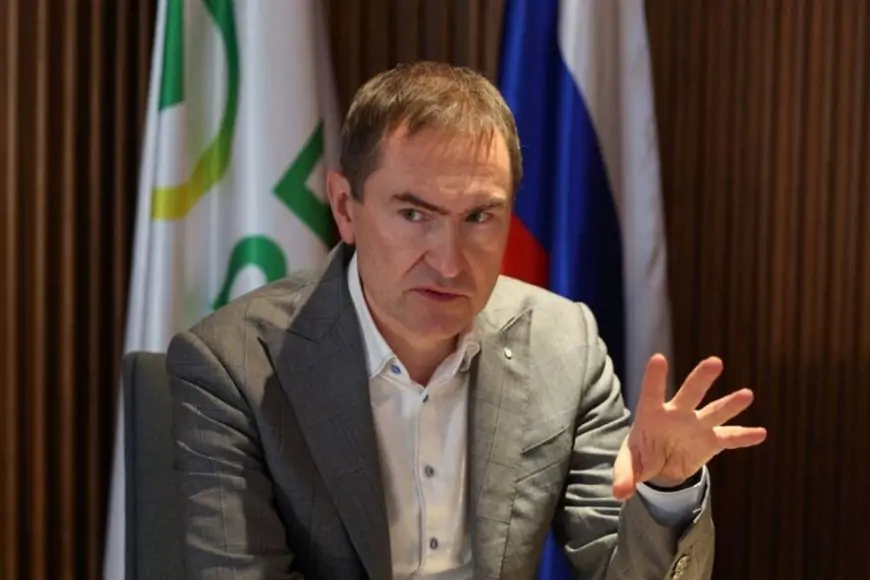
Russia’s top artificial intelligence executives have issued a stark warning about the emergence of a new global “AI club” that bestows influence comparable to that of nuclear powers. Alexander Vedyakhin, First Deputy CEO of Sberbank, Russia’s largest technology-focused financial institution, emphasized that mastery of AI, particularly owning home-grown large language models (LLMs), will define geopolitical power in the 21st century.


Speaking at Russia’s flagship AI Journey event, Vedyakhin highlighted that nations either develop their own indigenous AI models or risk exclusion from this elite “club.” He underscored the imperative for Russia to establish at least two to three original AI systems specifically designed for sensitive sectors like public online services, healthcare, and education. The use of foreign models for processing confidential state data is “strictly prohibited” due to risks of data breaches and severe security consequences.
President Vladimir Putin has strongly voiced support for this vision of AI sovereignty, describing the development of domestic AI technologies as essential for preserving Russia’s technological and state sovereignty. He stressed that safeguarding state data within national borders through Russian AI infrastructure is a critical priority. Putin also linked the country’s ambitious nuclear energy expansion plans—including doubling nuclear capacity with 38 new power units in the next two decades—to providing a reliable, carbon-free power source essential for powering data centers and AI computation.
Vedyakhin acknowledged the significant challenges Russia faces, including lagging behind US and Chinese leaders in computing power, worsened by Western sanctions restricting access to cutting-edge technology. He warned against excessive hype and investment bubbles in AI infrastructure development, noting that returns on such investments may be distant or elusive given the rapid pace of technological change.
Russia’s focus on AI sovereignty reflects a strategic imperative to control critical technology and data, echoing the high stakes associated with nuclear capabilities. The country’s leading tech firms, including Sberbank and Yandex, are spearheading efforts to bridge the AI gap with global competitors while aligning with government directives prioritizing national security and technological independence.
This approach underscores AI’s growing role as a strategic geopolitical tool, where mastery over the technology and control of data infrastructure may redefine global power balances akin to the nuclear era.