







































SCIGEN Unleashes Generative AI Power to Accelerate Breakthrough Materials Discovery
SCIGEN is a cutting-edge tool that integrates design rules into generative AI models, enabling researchers to create breakthrough materials faster and more efficiently. This innovation marks a significant step forward in AI-driven materials science.
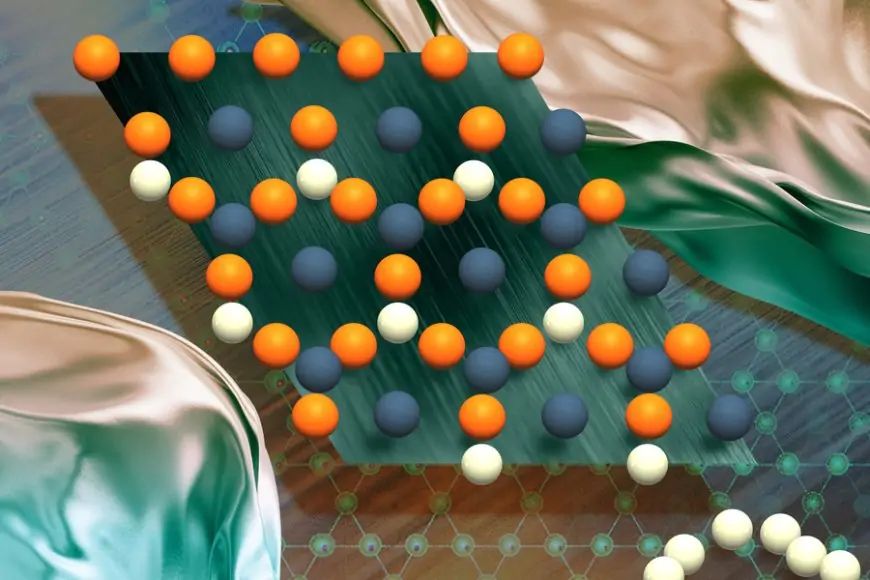
The landscape of materials science is undergoing a transformative shift thanks to a new tool called SCIGEN, designed to harness the full potential of generative AI models in the race to develop breakthrough materials. SCIGEN empowers researchers by embedding design rules directly into AI-driven workflows, streamlining the discovery process and enhancing the efficiency of creating novel materials.


Generative AI has shown immense promise in generating new molecular structures and material configurations, but challenges remain in guiding AI outputs toward practical, innovative, and experimentally viable solutions. SCIGEN addresses this gap by allowing researchers to implement explicit design constraints and principles into generative AI models. This integration ensures that AI-generated candidates meet desired physical, chemical, and functional criteria, ultimately making the search for advanced materials more targeted and less resource-intensive.
Developed through a collaboration of AI scientists and materials engineers, SCIGEN acts as a bridge between domain expertise and AI capabilities. Its ability to codify design rules—such as stability thresholds, desired material properties, and synthesis feasibility—allows generative models to explore the material design space more intelligently. This reduces the trial-and-error phase and accelerates the identification of candidates for experimental validation.
The impact of SCIGEN extends across various industries, including energy storage, electronics, aerospace, and healthcare, where new materials can lead to significant improvements in performance and sustainability. For instance, SCIGEN can help design next-generation battery materials with enhanced capacity and longevity or lightweight, high-strength alloys critical for aerospace applications.
Early adoption of SCIGEN in research labs has demonstrated marked improvements in both the speed and quality of materials discovery. By leveraging the synergy of AI and expert knowledge, SCIGEN does more than just automate—it innovates. Researchers can generate novel compounds and materials configurations once thought too complex or time-consuming to explore manually.
As generative AI models continue to evolve, tools like SCIGEN will be essential to ensure that their outputs are not just creative but deeply informed by scientific principles. This convergence of AI and materials science opens up exciting possibilities for rapid innovation, empowering researchers to solve some of the most pressing challenges through smarter material design.