










































Why NVIDIA RTX 3090 Is The Best GPU For AI Hobbyists and Open-Source Enthusiasts
The NVIDIA RTX 3090 emerges as the top choice for AI enthusiasts, offering an unbeatable combination of performance, memory, and affordability for LLM and AI inference tasks.
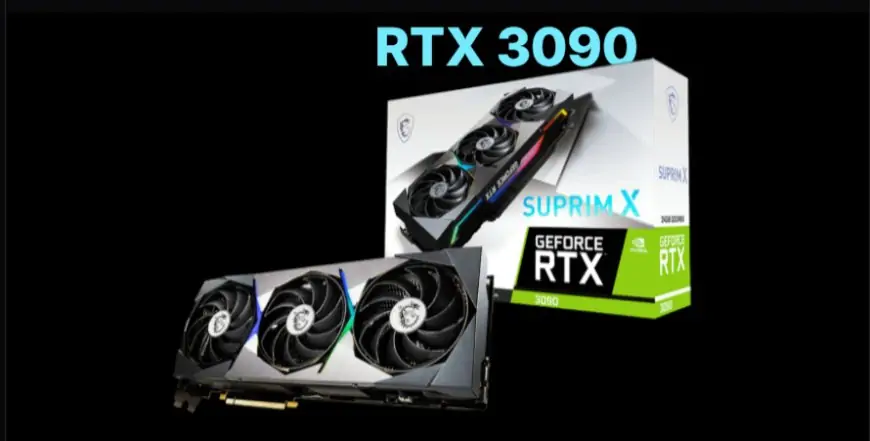
The NVIDIA GeForce RTX 3090 has become the go-to GPU for AI hobbyists and open-source enthusiasts, dominating the landscape of large language model (LLM) inference and AI applications. This powerhouse GPU offers a unique blend of features that make it exceptionally well-suited for AI tasks, particularly in the realm of consumer-grade hardware.


Unmatched Memory Capacity
At the heart of the RTX 3090's appeal is its generous 24GB of VRAM. This substantial memory capacity is crucial for running large language models and AI inference tasks. Most quantized open-source models can comfortably fit within this memory footprint, allowing hobbyists to work with sophisticated AI systems without the need for expensive enterprise-grade hardware.
Stackable Memory via NVLink
The NVIDIA RTX 3090's NVLink capability offers a unique edge over newer models for AI enthusiasts dealing with large language models. With 24GB of VRAM per card, NVLink allows memory pooling across multiple cards. Users can sometimes combine up to six RTX 3090s, achieving a staggering 144GB VRAM configuration—perfect for running unquantized open-source LLMs like Llama from Meta requiring vast memory.
This approach is also cost-effective, with used RTX 3090s available for as low as $450 on platforms like eBay. Such scalability and affordability make the RTX 3090 a standout choice for researchers and hobbyists seeking high-performance, memory-intensive AI solutions at a fraction of the cost of newer GPUs.
Performance That Rivals Newer Models
Despite being from a previous generation, the RTX 3090's performance in AI tasks is remarkably close to its successor, the RTX 4090. In LLM inference speed tests, the RTX 3090 consistently delivers impressive results, often achieving around 200% relative inference speed compared to older enterprise GPUs like the Tesla P40. This level of performance ensures that AI enthusiasts can run complex models with minimal latency, enhancing the overall user experience.
Cost-Effectiveness
One of the most compelling aspects of the RTX 3090 for hobbyists is its affordability in the second-hand market. With prices as low as $450 USD for used cards on platforms like eBay, the RTX 3090 offers an unparalleled price-to-performance ratio for AI tasks. This accessibility has democratized AI research and development, allowing a broader range of enthusiasts to participate in cutting-edge AI projects.
Versatility and Support
The RTX 3090's widespread adoption in the AI community has led to extensive software support and optimization. Many popular AI frameworks and tools are well-optimized for this GPU, ensuring compatibility and performance across a wide range of applications. From LLM inference to image generation with models like Stable Diffusion, the RTX 3090 proves to be a versatile workhorse.
Real-World Performance
In practical scenarios, the RTX 3090 shines. It can handle multiple concurrent AI requests while maintaining impressive throughput. For instance, when serving the Llama 3.1 8B model, a single RTX 3090 can support up to 100 concurrent users while delivering 12.88 tokens per second—a speed that matches or exceeds the average human reading pace.
Conclusion
The NVIDIA RTX 3090 has carved out a unique position in the AI landscape, bridging the gap between consumer and enterprise-grade hardware. Its combination of ample VRAM, strong performance, and affordability makes it an ideal choice for AI hobbyists and open-source enthusiasts. As the field of AI continues to evolve, the RTX 3090 remains a reliable and powerful tool for those looking to explore the frontiers of machine learning and artificial intelligence without breaking the bank.