







































AI Data Centers Strain US Power Grid, Raising Concerns for Energy Stability
The rapid growth of AI data centers is putting unprecedented pressure on the US power grid, potentially causing power distortions and raising concerns about energy stability and infrastructure readiness.
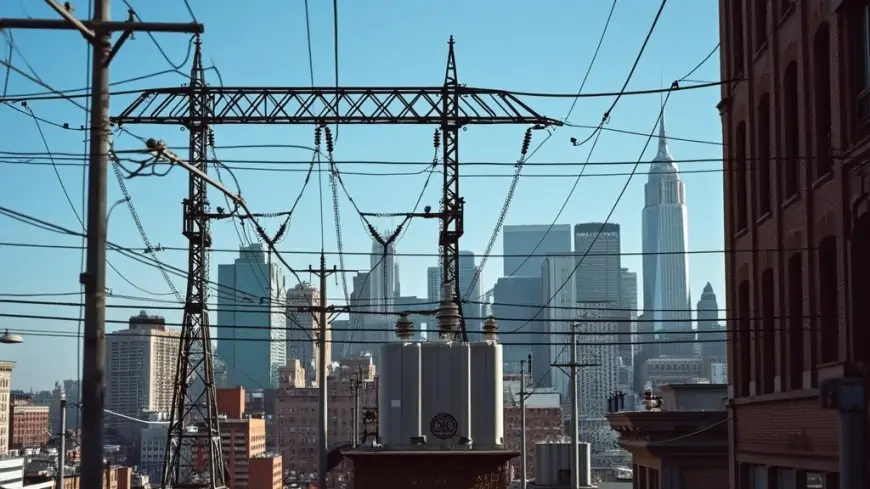
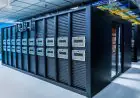
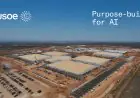
The United States is facing a growing challenge as the proliferation of artificial intelligence (AI) data centers places increasing strain on the nation's power grid. This surge in energy-intensive facilities is not only pushing the grid to its limits but also raising concerns about power quality and stability for nearby residents.


AI's computational demands have led to a boom in data center construction across the country. These facilities, crucial for training and deploying AI models, consume enormous amounts of electricity. By 2030, data centers are projected to account for nearly 9% of U.S. electricity consumption, doubling their current share.
The impact of this growth is already being felt:
- In Virginia, data centers now use more than 25% of the state's total electricity.
- Ohio is bracing for new data centers with energy requirements equivalent to powering three New York City-sized metropolises.
- Some data center electricity requests surpass the power needs of entire cities like San Francisco.
Recent analysis has uncovered a concerning trend: households near data centers are experiencing significant power distortions. Data revealed that over half of the homes showing the worst power distortions are located within 20 miles of major data center activity.
These "bad harmonics," as they're known in the industry, can have serious consequences:
- Damage to household appliances
- Increased risk of electrical fires
- Potential for brownouts and blackouts
Aman Joshi, chief commercial officer of Bloom Energy, warns, "No grid is designed to be able to handle that kind of load fluctuation not only for one data center but for multiple data centers at the same time".
The sudden surge in electricity demand is creating bottlenecks in the power distribution system. Utilities are sometimes forced to delay grid connections to new data centers, leading to years-long wait times for some tech companies. This situation is prompting utilities to consider:
- Increasing electricity prices
- Offering long-term contracts to fund grid expansions
These measures could potentially lead to higher costs for both tech companies and everyday consumers. Bain & Company's analysis suggests that utility revenue requirements to serve growing data center electricity demand could increase customer bills by 1% annually through 2032.
As AI technologies continue to evolve, experts warn that without significant investment in power grid upgrades, these challenges will likely intensify. To address the growing demand and ensure grid stability, several strategies are being considered:
1. Infrastructure Modernization: Upgrading the grid to handle AI's unique energy demands is crucial.
2. Sustainable Practices: Focusing on energy efficiency and integrating renewable energy sources can help mitigate environmental impacts.
3. Smart Grid Technology: Implementing advanced grid management systems can help balance load fluctuations more effectively.
4. Strategic Planning: Coordinating between tech companies, utilities, and regulators to anticipate and manage future energy needs.
The AI revolution is testing the limits of America's power infrastructure. As the nation grapples with this unprecedented demand for electricity, finding a balance between technological progress and energy stability will be crucial for the future of both AI development and power grid resilience in the United States.