








































Groundbreaking AI Trial Set to Transform Breast Cancer Screening in the UK
The UK is launching a major trial involving AI technology in breast cancer screening, aiming to enhance early detection and alleviate pressure on radiologists. Nearly 700,000 women will participate across 30 sites starting in April.
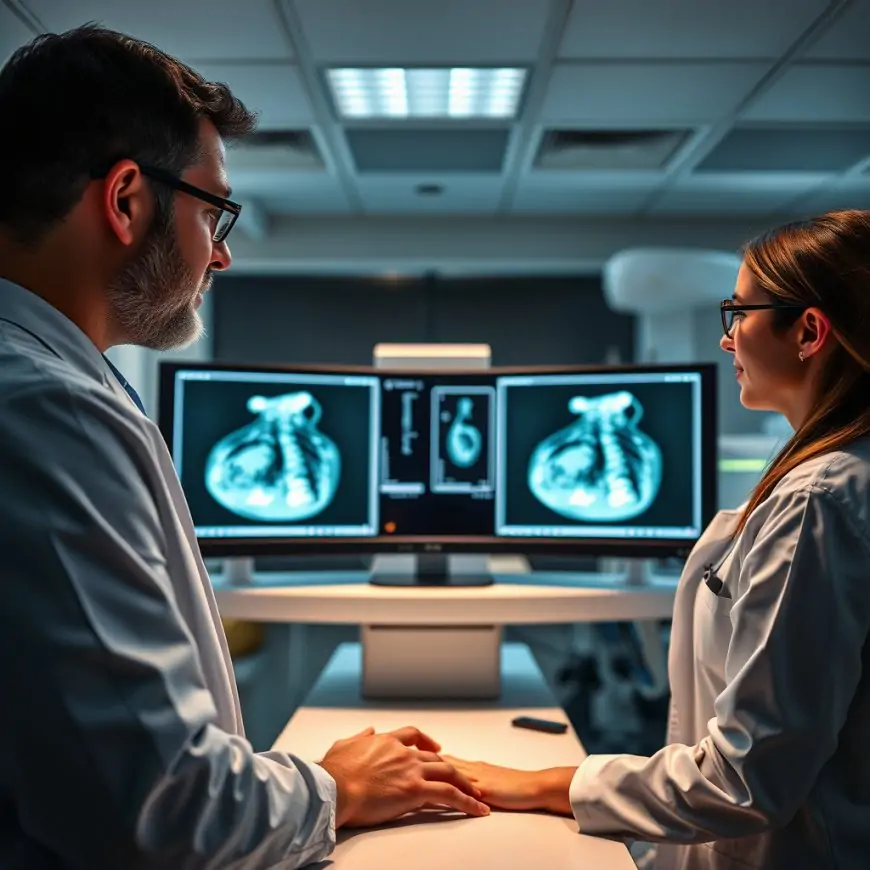
The UK is embarking on a landmark initiative to integrate artificial intelligence (AI) into breast cancer screening, with nearly 700,000 women set to participate in a major trial starting in April 2025. This ambitious project aims to evaluate the effectiveness of AI technology in improving diagnostic accuracy and reducing the workload for radiologists across the National Health Service (NHS).


The trial, officially named the Early Detection using Information Technology in Health (Edith) trial, will take place at 30 designated testing sites throughout England. The £11 million initiative is part of the government's broader strategy to enhance cancer care and is being launched in conjunction with World Cancer Day. It seeks to gather critical evidence that will inform a forthcoming national cancer strategy aimed at reducing mortality rates associated with the disease.
Participants will be women already scheduled for routine NHS screenings, typically conducted for those aged 50 to 53 and every three years until they reach 71. During these appointments, mammograms—X-ray images used to detect breast cancer—will be analyzed using five distinct AI systems. The objective is to determine whether these technologies can expedite the diagnostic process while maintaining or improving accuracy.
Currently, each mammogram requires evaluation by two radiologists to ensure precision. However, the introduction of AI technology is expected to allow a single specialist to conduct the review effectively. This shift could significantly alleviate the pressure on radiologists, enabling them to manage larger patient volumes and reduce waiting times for screenings and diagnoses.
Breast cancer remains the most common form of cancer among women in the UK, with approximately 55,000 new cases diagnosed annually. The implications of this trial are profound; if successful, it could transform how breast cancer screenings are conducted and lead to earlier detection of cancers that might otherwise go unnoticed.
Professor Lucy Chappell, chief scientific adviser at the Department of Health and Social Care (DHSC), expressed optimism about the potential impact of this trial. She noted that advancements in technology could pave the way for faster and more accurate diagnoses when they are most crucial for patients.
Health Secretary Wes Streeting emphasized the urgency of improving cancer survival rates in the UK and highlighted that this trial could play a vital role in achieving that goal. As part of this initiative, the government has also launched a public call for evidence to shape its upcoming national cancer plan.
The Edith trial represents a significant step forward in leveraging AI technology within healthcare. As research continues to evolve in this field, it holds promise not only for enhancing diagnostic capabilities but also for addressing ongoing challenges related to capacity and efficiency within the NHS.