
































AI Race: China's Drive to Push AI Knowledge in Classrooms
China is investing in AI with classrooms set for AI makeover.
In the new school year beginning in September, Chinese education authorities implemented ambitious AI literacy programs in primary and secondary schools nationwide, a move that aligns with the national "AI+" strategy.


In Beijing, the capital city, all schools are required to provide a basic AI course with at least eight class hours per academic year. East China's Hangzhou offers a more comprehensive curriculum, requiring at least ten hours annually across all grade levels, from elementary to high school. The curriculum is tiered to match students' development, starting with hands-on activities for young children and advancing to an understanding of core principles for older students.
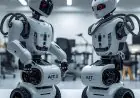
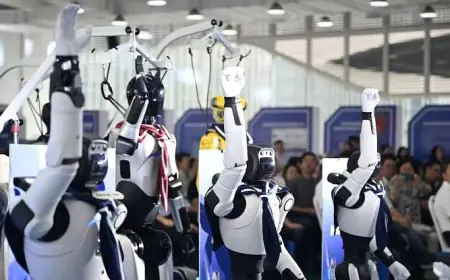
AI is also transforming the classroom environment. In some schools, AI assistant robots are co-teaching lessons to increase student engagement, while smart platforms help teachers grade homework more efficiently and give personalized feedback. Some classrooms are even using brain-sensing headbands and AI analysis to help teachers adapt their methods in real-time.
To support this transition, authorities are emphasizing teacher training and partnerships. Hangzhou has established a framework to improve teachers' AI skills and is promoting collaboration among schools, universities, and tech companies.
This effort is part of a nationwide push to prepare students for a future shaped by AI and to make AI education universally accessible by 2030.