








US Government to Use AI in Visa Revocation for Suspected Pro-Hamas Students
The US State Department plans to employ artificial intelligence to revoke visas of foreign students suspected of supporting Hamas, raising concerns over free speech and civil liberties.
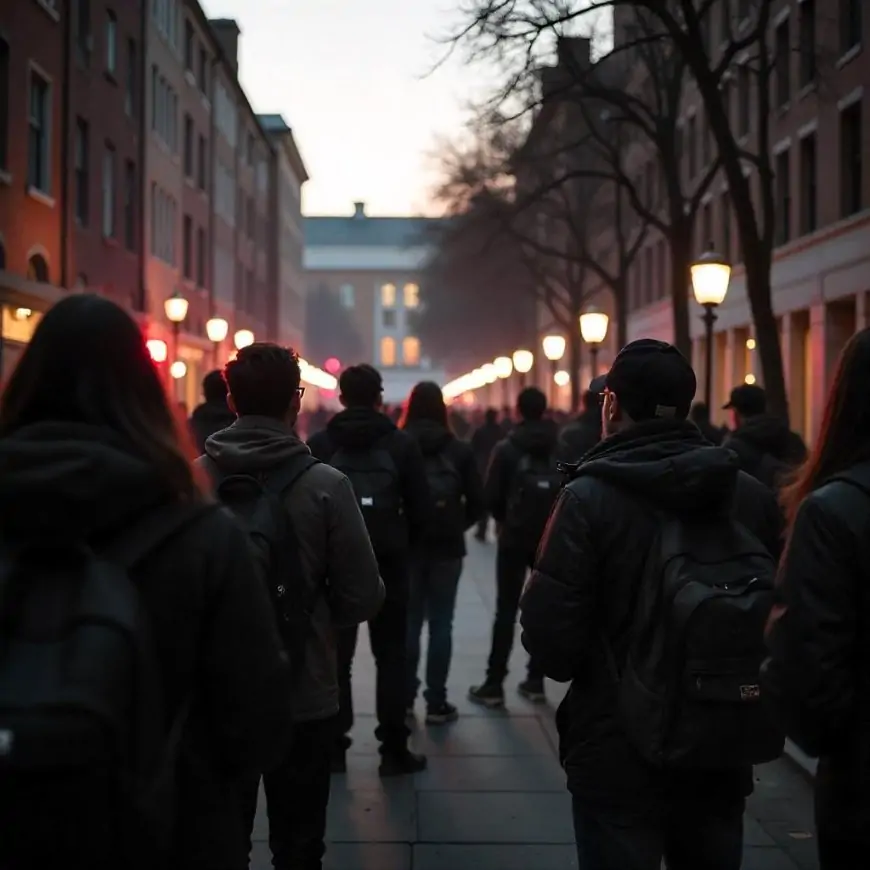
The U.S. State Department has announced a controversial initiative called "Catch and Revoke," which will utilize artificial intelligence to identify and revoke the visas of foreign students suspected of supporting the Palestinian group Hamas. This decision follows heightened tensions surrounding the Israeli-Palestinian conflict and comes amid a wave of pro-Palestinian protests across U.S. college campuses.

According to reports from senior State Department officials, the AI-driven program will involve a comprehensive review of social media accounts belonging to tens of thousands of student visa holders. The initiative aims to detect any expressions of support for Hamas or other designated terrorist organizations, particularly in the wake of the October 7, 2023 attack by Hamas that resulted in significant casualties in Israel.
The AI system will analyze posts on platforms like Facebook, Twitter, and Instagram to identify content that suggests sympathies towards Hamas. Secretary of State Marco Rubio emphasized that the U.S. has "zero tolerance for foreign visitors who support terrorists," asserting that violations could lead to visa denial, revocation, and deportation for international students.
This move has sparked significant backlash from civil rights advocates and free speech organizations. Critics argue that using AI for such sensitive assessments could lead to misinterpretations of political expression and disproportionately affect students engaged in legitimate discourse about complex issues like the Israeli-Palestinian conflict. Sarah McLaughlin from the Foundation for Individual Rights in Education (FIRE) stated that AI tools cannot reliably interpret nuanced discussions surrounding contentious topics.
The initiative also follows an executive order signed by former President Donald Trump aimed at combating antisemitism, which critics claim may be used to suppress pro-Palestinian demonstrations on campuses. This order lays a framework that could facilitate the deportation of students involved in protests deemed supportive of Hamas.
To kick off the "Catch and Revoke" initiative, federal officials analyzed approximately 100,000 individuals within the Student Exchange Visitor System since October 2023. They found no visa revocations during the Biden administration despite previous arrests or suspensions related to such activities. This lack of action has prompted officials to argue for a more proactive approach in monitoring visa holders' conduct.
The implications of this initiative extend beyond individual cases; it raises broader questions about privacy rights, government surveillance, and the impact on free speech within academic environments. As this program unfolds, it remains crucial for stakeholders to consider the balance between national security interests and civil liberties.
The U.S. government's decision to leverage AI in monitoring foreign students' online activities represents a significant escalation in its approach to national security and immigration enforcement. While aimed at addressing concerns related to terrorism, this initiative poses critical challenges regarding free expression and civil rights that will likely continue to provoke debate across various sectors.