










House of Lords Rejects Government's AI Copyright Plan for the Fourth Time
The battle continues to intensify between the government and music artists.
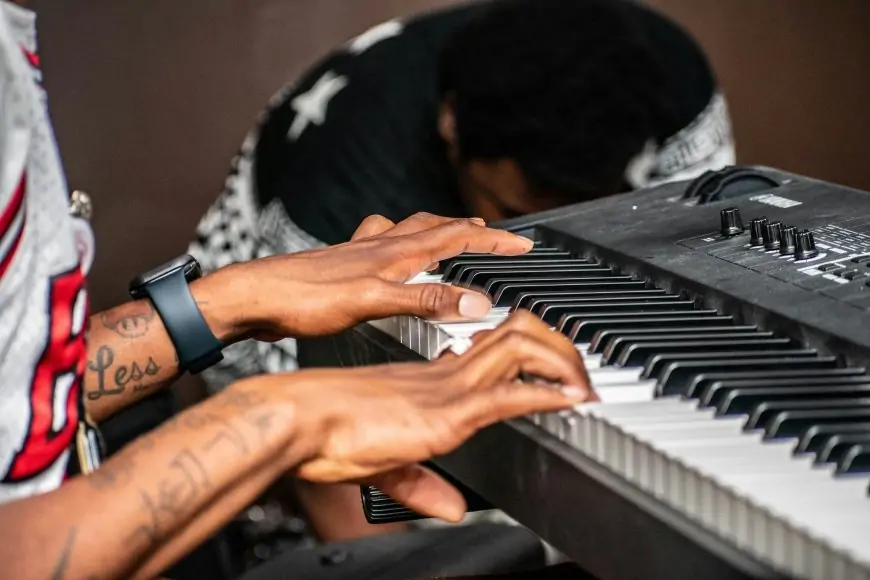
The government's plans to allow AI developers to access copyrighted material to train their systems has continued to face intense backlash - and protests - from British creatives.

Artists Protection
In the ongoing case, the House of Lords has reinforced its stance, dealing a fourth defeat to the government over its plans to allow tech companies to use copyrighted material to train their models. The Lords, who are looking for more protections for artists from AI, rejected the latest amendment to the Data (Use and Access) Bill on Monday.
Peers backed calls for greater transparency after musicians such as Sir Elton John warned of the threat to creative industries. It will now be returned to the Commons where it could be discussed - though that has not been confirmed.
Defiant peers again voted strongly by 242 to 116 to change the legislation that would introduce transparency requirements, aimed at ensuring copyright holders are able to see when their work has been used and by whom. This is despite similar measures being repeatedly rejected by MPs in the Commons, where the Government has a majority.
A Fierce Battle
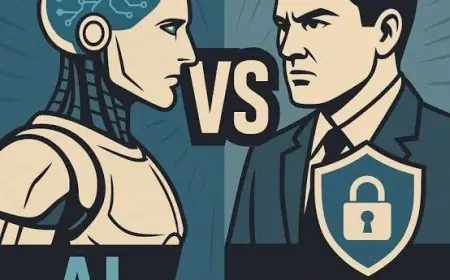
It's highly unusual that neither side has backed down by now or shown any sign of compromise. The argument is over how best to balance the demands of two huge industries: the tech and creative sectors. More specifically, it's about the fairest way to allow AI developers access to creative content in order to make better AI tools - without undermining the livelihoods of the people who make that content in the first place.
This proposed legislation, the Data (Use and Access) Bill, was broadly expected to finish its long journey through parliament this week and sail off into the law books.
Instead, it is currently stuck in limbo, ping-ponging between the House of Lords and the House of Commons. A government consultation proposes AI developers should have access to all content unless its individual owners choose to opt out. But 242 members of the House of Lords disagree with the bill in its current form. They think AI firms should be forced to disclose which copyrighted material they use to train their tools, with a view to licensing it.
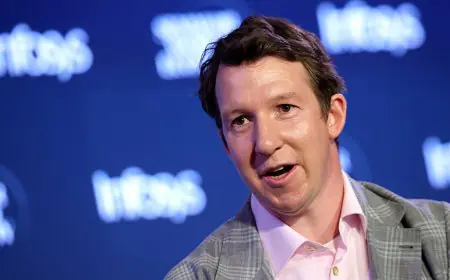
Sir Nick Clegg, former president of global affairs at Meta, is pro government. He has argued that asking permission from all copyright holders would "kill the AI industry in this country".
Those against include Baroness Beeban Kidron, a crossbench peer and former film director, best known for making films such as Bridget Jones: The Edge of Reason.
She says ministers would be "knowingly throwing UK designers, artists, authors, musicians, media and nascent AI companies under the bus" if they don't move to protect their output from what she describes as "state sanctioned theft" from a UK industry worth £124bn.
She's asking for an amendment to the bill which would include Technology Secretary Peter Kyle giving a report to the House of Commons about the impact of the new law on the creative industries within 15 months of the Bill becoming law.
A Way Out?
The Department for Science, Innovation and Technology say that they're carrying out a wider consultation on these issues and will not consider changes to the Bill unless they're completely satisfied that they work for creators. If the "ping pong" between the two Houses continues, there's a small chance the entire bill could be shelved; I'm told it's unlikely but not impossible.
Initially, before AI exploded into our lives, AI developers scraped enormous quantities of content from the internet, arguing that it was in the public domain already and therefore freely available.
We are talking about big, mainly US, tech firms here doing the scraping, and not paying for anything they hoovered up. Then, they used that data to train the same AI tools now used by millions to write, copy, create pictures and videos in seconds.
These tools can also mimic popular musicians, writers, artists.
For example, a recent viral trend saw people merrily sharing AI images generated in the style of the Japanese animation firm Studio Ghibli.
The founder of that studio meanwhile, had once described the use of AI in animation as "an insult to life itself". Needless to say, he was not a fan.
Artists Discontent
There has been a massive backlash from many content creators and owners including household names like Sir Elton John, Sir Paul McCartney and Dua Lipa.
They have argued that taking their work in this way, without consent, credit or payment, amounted to theft. And that artists are now losing work because AI tools can churn out similar content freely and quickly instead.
Sir Elton John didn't hold back in a recent interview with the BBC's Laura Kuenssberg. He argued that the government was on course to "rob young people of their legacy and their income", and described the current administration as "absolute losers".
Others though point out that material made by the likes of Sir Elton is available worldwide.
And if you make it too hard for AI companies to access it in the UK they'll simply do it elsewhere instead, taking much needed investment and job opportunities with them.
Two opposing positions, no obvious compromise.