



























Microsoft CTO Predicts AI Will Generate 95 Percent of Code by 2030
Microsoft CTO Kevin Scott forecasts AI will produce 95% of all code within five years, reshaping software development while preserving human creativity in design and problem-solving.

Microsoft’s Chief Technology Officer, Kevin Scott, has made a bold prediction that artificial intelligence will generate 95% of all software code within the next five years. Speaking on the 20VC podcast, Scott emphasized that while AI will handle the bulk of coding tasks, human developers will remain integral to the creative and problem-solving aspects of software engineering.

“Very little is going to be line-by-line human-written code,” Scott stated, highlighting how AI tools are poised to revolutionize the industry. However, he reassured developers that this shift does not mean the end of their roles. Instead, the focus will shift to guiding AI systems through prompts and managing workflows. The essence of software engineering — including design, architecture, and authorship — will continue to rely on human expertise.
Scott compared this transformation to the shift from Assembly language programming to higher-level languages in the 1980s. At that time, many programmers resisted change, believing that true coding required knowledge of Assembly. Over time, higher-level languages became standard practice. Similarly, Scott believes AI-assisted coding represents the next stage in software development evolution.
The implications of this shift are profound. AI tools like Microsoft’s Copilot have already demonstrated their ability to streamline development processes by automating repetitive tasks and enabling smaller teams to achieve large-scale projects. According to Scott, this trend will empower smaller teams to work faster and more efficiently than larger ones ever could.
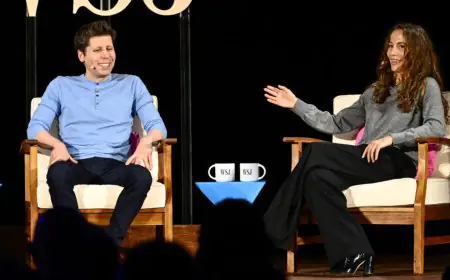
However, concerns remain about how these advancements might impact job security for software engineers. While Scott asserts that human creativity and decision-making will remain essential for solving complex problems, other tech leaders have suggested a more dramatic reduction in demand for human coders. OpenAI CEO Sam Altman has predicted a decline in hiring as AI tools become more capable, while companies like Klarna and Salesforce have already reduced their reliance on human engineers due to gains from automation.
Despite these concerns, Scott views AI as a democratizing force that lowers barriers to entry in coding. With AI handling simpler tasks like website creation, more people can engage with programming without requiring specialized expertise. For complex computational challenges, however, skilled computer scientists will still be indispensable.
As generative AI continues reshaping the landscape of software development, Scott’s prediction underscores its transformative potential while highlighting the enduring importance of human ingenuity in shaping technology’s future.