






































Nvidia Shares Drop 3 Percent as Meta Explores Google TPU Chips for AI Infrastructure
Nvidia shares fell 3% following reports that Meta is considering Google’s TPU AI chips for future data center use, signaling increased competition in the AI semiconductor market despite Nvidia’s GPU market dominance.
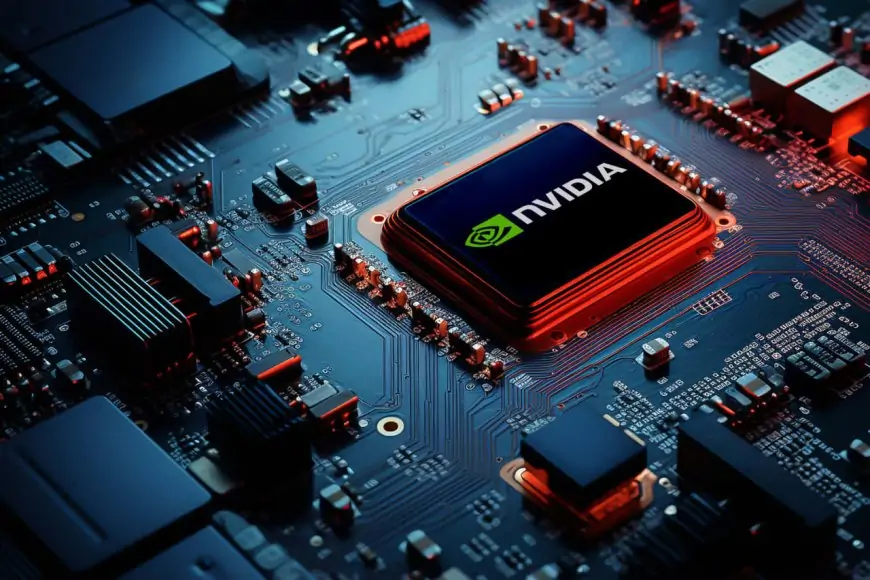
Nvidia shares briefly dropped 3 percent as news surfaced about Meta Platforms' plans to incorporate Google's tensor processing units (TPUs) into its AI infrastructure. Meta, which currently relies heavily on Nvidia GPUs, is reportedly evaluating a multi-billion dollar investment in Google’s TPU chips for deployment in its data centers starting in 2027. Additionally, it aims to lease TPU capacity from Google Cloud as early as next year.


This development marks a significant shift in the AI semiconductor landscape, highlighting Google's aggressive push to compete with Nvidia by offering TPUs not only within its own cloud but also directly to major clients. Google's TPUs are designed specifically for AI workloads, providing a cost-effective and secure alternative to Nvidia's GPUs, which have faced supply constraints amid booming AI demands.
Industry executives suggest this move could allow Google to capture up to 10 percent of Nvidia's annual AI chip revenue, intensifying competition in the high-stakes market for advanced AI hardware. Despite Nvidia's continued dominance and leadership in AI hardware, the potential partnership between Meta and Google indicates a broader trend of diversification in AI infrastructure sourcing.
Meta's strategic pivot towards Google TPUs reflects companies' ongoing efforts to optimize AI performance and security while managing escalating costs. For Nvidia, this competition introduces new challenges as they navigate maintaining market share amid emerging alternatives.
In response, Google Cloud affirmed its commitment to supporting both Nvidia GPUs and Google TPUs, reinforcing the dual approach to serve diverse customer needs. Meanwhile, investors are closely monitoring these developments, as shifts in AI chip adoption could reshape semiconductor sector dynamics.