






























Recruiting Firms Struggle as Applicants Use AI to Manipulate Hiring Chatbots
Recruiting firms face rising challenges as applicants embed hidden AI instructions in resumes to trick AI-powered recruitment chatbots, complicating efforts to fairly prioritize candidates amid growing AI adoption in hiring.

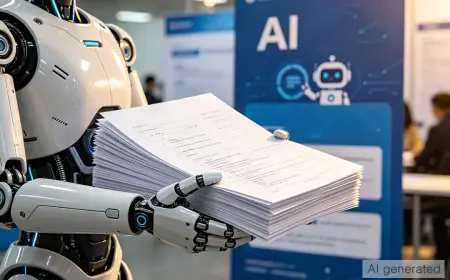
Recruiting firms are grappling with a new wave of challenges as job applicants increasingly use artificial intelligence to embed hidden instructions within their resumes. This tactic is designed to manipulate AI-powered recruitment chatbots in an attempt to elevate their applications and gain priority in the hiring process. As organizations adopt AI more widely for recruitment automation, this emerging behavior threatens the integrity and fairness of candidate evaluation.


AI chatbots and applicant tracking systems (ATS) have become standard tools that scan and rank resumes based on keywords, experience, and other data points. Their growing popularity owes to efficiency gains—enabling recruiters to sift through large volumes of applications quickly. However, the same AI technology is now being exploited by applicants who use advanced language models to insert covert instructions or "prompts" that influence chatbot decisions.
These hidden instructions can subtly guide AI recruiters to favor certain candidates by emphasizing qualifications or triggering positive scoring signals. Applicants crafting resumes in this way attempt to bypass traditional merit-based screening, making it harder for recruiters to identify genuinely qualified talent. This tactic raises significant ethical concerns about fairness, transparency, and the potential for AI bias.
Recruiting firms say they must now invest more in tools and human oversight to detect and counteract AI prompt manipulation. Some are experimenting with AI detection software to scan resumes for suspicious prompt-like content, while others emphasize deeper human review for final hiring decisions. Nonetheless, keeping pace with sophisticated prompt engineering remains a challenge.
Hiring professionals worry this trend could erode trust in AI recruitment systems if candidates perceive that gaming the process is widespread. It also risks sidelining applicants who do not use such tactics, thereby amplifying inequities. Organizations must balance automation benefits with safeguards that preserve recruitment fairness and diversity objectives.
This phenomenon reflects a broader pattern where rapid AI adoption in HR processes invites new risks and unintended behaviors. As AI tools become smarter and more embedded, adversarial use cases like prompt manipulation will require continuous vigilance and innovation from recruiters and technology providers alike.
To address the issue, some experts call for clearer industry standards and ethical guidelines around AI use in hiring. Transparency about how AI algorithms rank candidates and educating job seekers on ethical application practices can help restore balance. Ultimately, human judgment combined with ethical AI design will be essential to safeguarding recruitment integrity going forward.
Rising AI use in hiring offers powerful opportunities to streamline recruitment, but also exposes vulnerabilities that candidates and firms must navigate carefully. The challenge lies in evolving recruiting systems that are resilient to manipulation without sacrificing efficiency or fairness in selecting the best talent.