





































SoftBank and NVIDIA Partner to Create World's First AI Grid in Japan
SoftBank and NVIDIA announce groundbreaking partnership to transform Japan's 5G infrastructure into world's first AI grid using advanced Blackwell processors, revolutionizing telecommunications and AI computing.
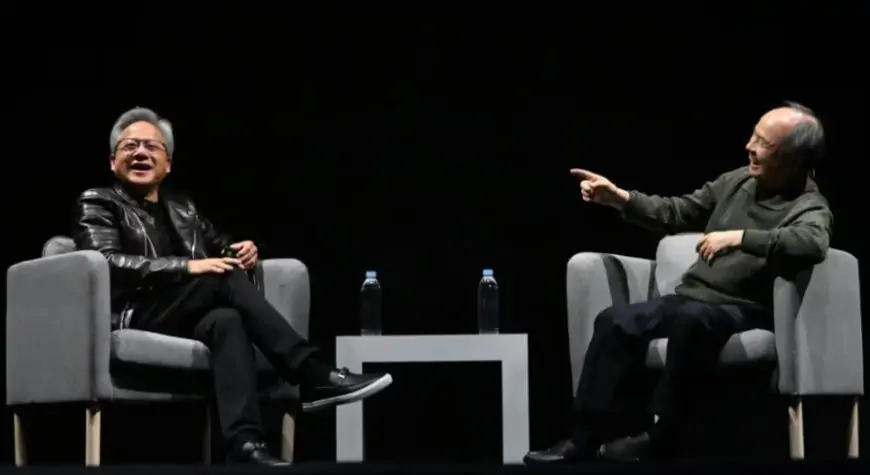


In a landmark move that could reshape the future of telecommunications and artificial intelligence infrastructure, SoftBank Group has announced a groundbreaking partnership with NVIDIA to construct the world's first AI grid in Japan. This innovative project will transform SoftBank's existing 5G cellular base stations into a nationwide artificial intelligence network, marking a significant milestone in the convergence of telecommunications and AI technology.
The ambitious project centers around NVIDIA's Blackwell platform, the company's most powerful AI computing system to date. SoftBank has already demonstrated the viability of this integration through successful outdoor trials in Kanagawa prefecture, where they achieved simultaneous 5G smartphone service while processing AI workloads. This achievement signals the dawn of a new era in telecommunications infrastructure, where network components serve dual purposes as both communication nodes and AI computing resources.
At the heart of this transformation is the artificial intelligence radio access network (AI-RAN), a revolutionary approach that NVIDIA describes as "a breakthrough in computing that opens AI revenue streams potentially worth billions of dollars to telecom operators." The system represents a fundamental shift in how telecommunications infrastructure is utilized, transforming base stations from mere cost centers into revenue-generating AI assets.
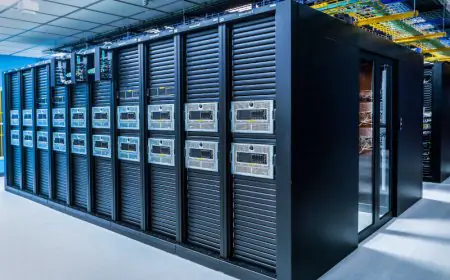
SoftBank's commitment to this vision is evidenced by their position as the first company worldwide to acquire NVIDIA DGX B200 systems. These advanced systems will form the foundation of their new DGX SuperPOD supercomputer, designed to serve universities, businesses, and research centers across Japan. The infrastructure will support the development and improvement of generative AI and other advanced AI technologies, positioning Japan at the forefront of the AI revolution.
Junichi Miyakawa, President and CEO of SoftBank, emphasized the significance of this collaboration, stating, "With our extremely powerful AI infrastructure and our new, distributed AI-RAN solution 'AITRAS' that reinvents 5G networks for AI, we will accelerate innovation across the country and throughout the world." This sentiment was echoed by NVIDIA CEO Jensen Huang, who highlighted Japan's potential to become a global leader in the AI industrial revolution.
The partnership extends beyond hardware implementation. SoftBank plans to create an AI marketplace using NVIDIA AI Enterprise software, focusing on meeting the growing demand for secure AI computing. This comprehensive approach aims to establish SoftBank as the "AI grid for Japan," providing a robust foundation for innovation across various sectors including telecommunications, transportation, robotics, and healthcare.
The timing of this initiative is particularly significant as AI continues to penetrate various aspects of daily life and business operations. SoftBank Group CEO Masayoshi Son's vision aligns with this trajectory, as he has previously predicted the emergence of artificial superintelligence by 2035. The current collaboration, particularly the AI-RAN component, represents a concrete step toward realizing this future.
This partnership between SoftBank and NVIDIA represents more than just a technological advancement; it's a strategic move that could redefine how telecommunications infrastructure serves society. By transforming passive network components into active AI computing resources, this initiative creates a new paradigm for digital infrastructure that could serve as a model for other nations seeking to build robust AI capabilities.
As the world moves deeper into the AI era, the success of this project could have far-reaching implications for how countries approach the development of their digital infrastructure. The integration of AI computing capabilities into existing telecommunications networks may prove to be a crucial step in making advanced AI services more accessible and efficient, while simultaneously creating new revenue streams for telecom operators.