











































AI Agents: The Next Frontier in Enterprise Automation and Productivity
Explore how AI agents are transforming business operations through autonomous decision-making, strategic planning, and collaborative problem-solving. Learn about real-world applications in financial optimization and enterprise automation.

AI Agents: The Next Frontier in Enterprise Automation and Productivity
In the wake of OpenAI's groundbreaking 2022 launch of ChatGPT, the AI landscape is undergoing a dramatic transformation. AI agents are emerging as powerful autonomous systems poised to revolutionize business operations and work processes. These intelligent assistants represent a significant leap beyond traditional AI models, offering unparalleled levels of automation and decision-making capabilities. By harnessing the power of large language models and specialized tools, AI agents can streamline complex workflows, optimize resource allocation, and drive innovation across industries.


What Are AI Agents?
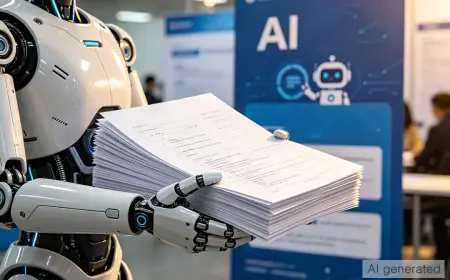
AI agents are intelligent systems designed to autonomously carry out tasks on behalf of users or organizations. Unlike traditional AI models that simply respond to prompts, these agents can proactively plan, reason, and execute complex workflows. By harnessing the power of large language models (LLMs) and specialized tools, they can break down intricate goals into smaller, manageable steps, access relevant information from diverse sources, and learn from their experiences to refine their performance over time.
AI agents have proven their ability to handle a wide range of tasks with minimal human intervention. From taking orders and providing customer service to booking flights and shopping online, these agents can accomplish complex tasks with only basic instructions. Some of the most popular AI agents currently available include CrewAI, Agent Q, Claude Agent, and Openmacro.
The Three Pillars of AI Agent Functionality
1. Goal Initialization and Planning
AI agents begin by understanding user-defined objectives and creating detailed execution plans. They break down complex tasks into smaller, manageable components, establishing a clear roadmap for achievement. This systematic approach ensures efficient resource utilization and optimal outcomes.
2. Advanced Reasoning and Tool Usage
What sets AI agents apart is their ability to:
- Access and utilize external tools and databases.
- Make informed decisions based on available information.
- Adapt their approach as new information becomes available.
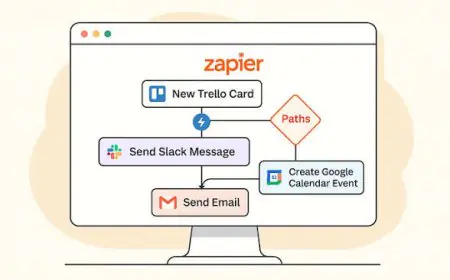
- Coordinate with other agents when necessary.
3. Continuous Learning and Improvement
Through sophisticated feedback loop mechanisms and iterative refinement, AI agents:
- Learn from past interactions
- Improve accuracy over time
- Adjust to user preferences
- Store successful solutions for future reference
Enterprise Applications and Impact
The implementation of AI agents is already showing promising results across various sectors:
Business Process Automation
- Automated customer service operations
- Streamlined document processing
- Enhanced decision-making workflows
- Intelligent resource allocation
Knowledge Work Enhancement
- Research and data analysis
- Content creation and curation
- Project management assistance
- Meeting facilitation and follow-up
Technical Operations
- Code generation and review
- System monitoring and maintenance
- IT support automation
- Quality assurance processes
The Future Landscape of AI Agents
Industry experts project that AI agents will become increasingly integral to enterprise operations. According to recent insights from financial analysts and tech leaders, we can expect:
- The emergence of specialized agents for specific industry verticals
- Integration of agents into existing enterprise software systems
- Development of agent marketplaces similar to app stores
- Enhanced collaboration between human workers and AI agents
Challenges and Considerations
While the potential of AI agents is significant, organizations must address several key considerations:
Security and Control
- Access management and permissions
- Data privacy protection
- Operational boundaries
- Audit trails and monitoring
Integration and Scalability
- System compatibility
- Resource requirements
- Performance optimization
- Cross-platform functionality
Ethical Implications
- Transparency in decision-making
- Accountability frameworks
- Impact on workforce dynamics
- Responsible implementation practices
Looking Ahead
As AI agent technology continues to mature, we can expect to see:
- More sophisticated autonomous capabilities
- Enhanced integration with enterprise systems
- Improved collaboration between agents and humans
- Development of industry-specific agent solutions
AI agents represent a transformative force in enterprise technology, AI agents are poised to revolutionize enterprise technology, unlocking unprecedented opportunities for automation and efficiency. As organizations embrace these intelligent assistants, it's imperative to prioritize responsible deployment that maximizes benefits while mitigating potential risks. The rapid evolution of AI agents promises to reshape industries, making it essential for businesses to stay informed and adapt to this transformative technology.