




























New U.S. H-1B Visa Policy Spurs AI Automation and Offshoring Trends in Tech Jobs
The U.S. H-1B visa policy changes, featuring a $100,000 fee, are driving faster adoption of AI automation and increased offshoring as companies rethink hiring strategies amid rising talent costs.
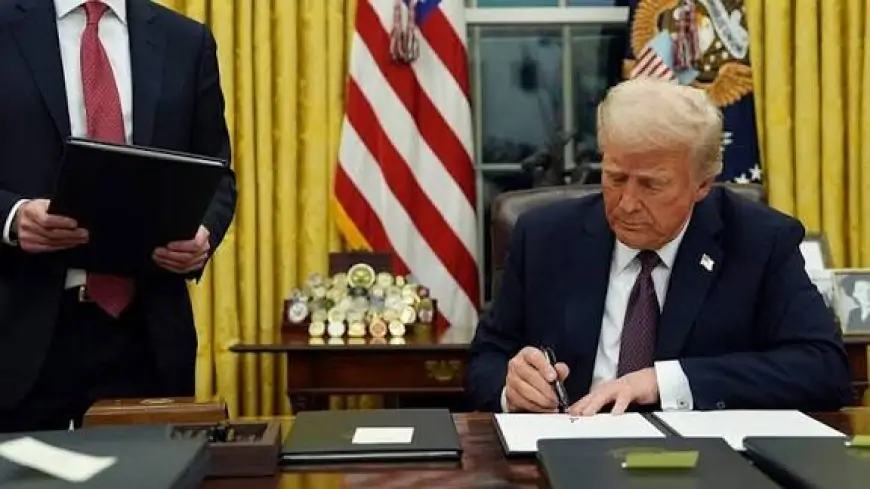
Recent changes to the U.S. H-1B visa program, including the introduction of a hefty $100,000 fee for certain applicants, are reshaping how companies approach talent acquisition. This new policy is accelerating the shift toward AI-driven job automation and increased offshoring, particularly in technology sectors heavily reliant on specialized foreign workers.


The H-1B visa program, which allows U.S. companies to employ foreign professionals in specialty occupations, has long been a cornerstone for tech firms seeking highly skilled labor from global markets. However, the introduction of a substantial fee creates higher costs and uncertainty for employers looking to fill critical roles. As a result, many organizations are reconsidering their reliance on foreign talent to control expenses and maintain operational efficiency.
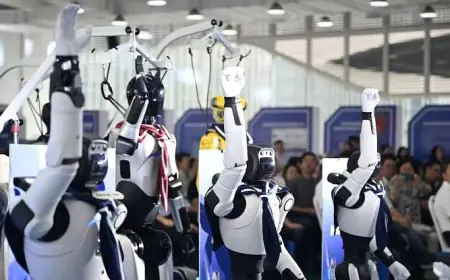
This cost pressure coincides with rapid advances in artificial intelligence, which present a viable alternative to human labor for many technical tasks. Companies are ramping up investments in AI automation to perform jobs previously handled by H-1B visa holders. Automation in coding, data analysis, and customer service—fields traditionally dependent on specialized workers—is becoming increasingly attractive as a way to offset rising visa costs and manage workforce risks.
In parallel, some firms are expanding offshoring efforts to countries with more favorable labor costs and visa procedures. This strategy reduces reliance on the U.S. visa system while continuing to access skilled talent pools abroad. Offshore teams supported by AI tools can deliver similar outcomes with lower overhead, prompting a diversification of workforce locations.
Experts warn that while these shifts may improve cost efficiency, they could also impact the U.S. technology labor market by reducing opportunities for foreign professionals seeking work visas. At the same time, the push toward AI-driven automation could lead to broader workforce transformations, creating new roles focused on managing and optimizing AI systems rather than traditional technical tasks.
The combined effect of the new H-1B policy and accelerating AI adoption highlights a critical intersection of immigration policy and technology evolution. Businesses are increasingly balancing the costs of human labor against the promise of automation while navigating a complex global talent landscape.
This dynamic environment encourages innovation in AI tools that can replicate or augment human expertise, fueling a cycle where visa policy influences technology trends, which in turn reshape how and where work is done. Continued monitoring of these developments will be essential for policymakers, companies, and workers adapting to this rapidly changing labor market.