

























Ant Group uses domestic chips to train AI models and cut costs
Ant Group has cut AI training costs by 20% using Chinese-made chips from Alibaba and Huawei, achieving performance comparable to Nvidia's H800. This cost-effective approach highlights China's push for AI self-sufficiency amid US tech restrictions.
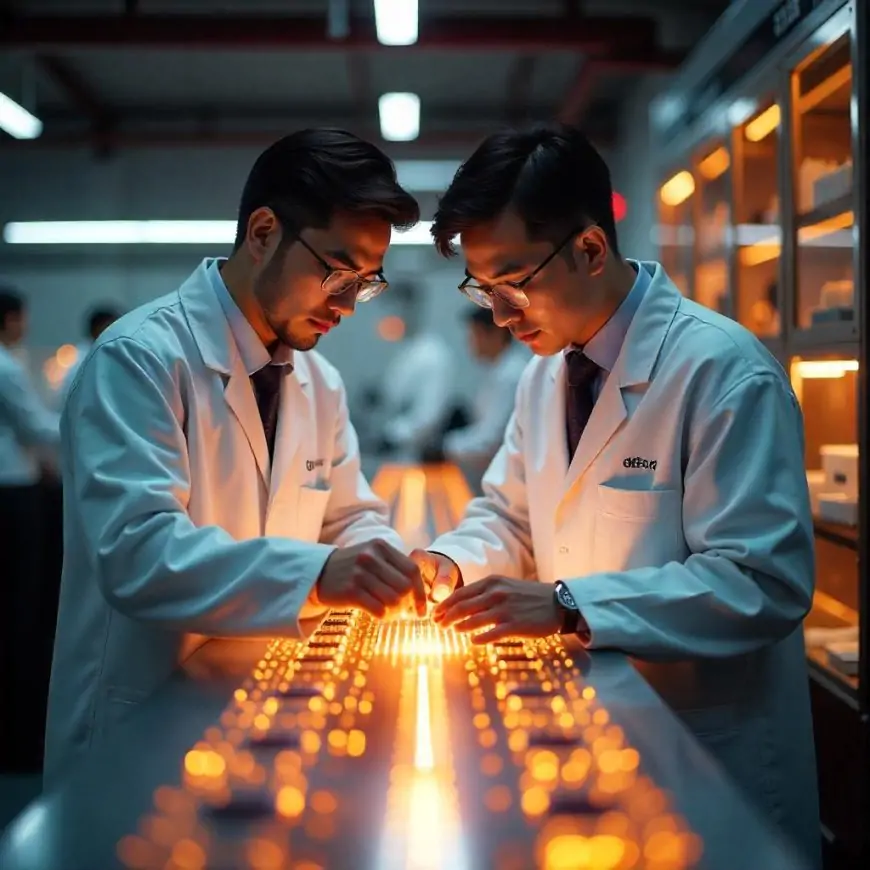
Ant Group, the Chinese fintech giant backed by Jack Ma, has achieved a significant milestone in artificial intelligence (AI) development by reducing training costs by 20% through the use of domestically produced chips. The company sourced semiconductors from Chinese tech leaders Alibaba and Huawei to train its AI models, employing the Mixture of Experts (MoE) machine learning approach. This innovation not only cuts costs but also delivers performance comparable to Nvidia's H800 chips—despite US export restrictions on advanced hardware to China.


The MoE method divides tasks into smaller subsets, optimizing computational efficiency and reducing reliance on high-end GPUs. Ant Group’s research paper claims that its models have sometimes outperformed Meta’s platforms in specific benchmarks. The models, named Ling-Lite and Ling-Plus, are designed for industrial applications such as healthcare and finance. Ling-Lite contains 16.8 billion parameters, while Ling-Plus boasts 290 billion—significantly smaller than OpenAI’s GPT-4.5 but still highly competitive in performance.
This development is part of a broader trend in China’s tech industry to reduce dependence on US-made semiconductors amid tightening export controls. While Ant Group continues to use Nvidia chips for some tasks, it increasingly relies on alternatives like AMD and domestic suppliers. The shift underscores China's growing capabilities in AI innovation and its drive toward technological self-sufficiency.
The cost savings are substantial: Ant reported spending approximately 6.35 million yuan ($1.17 million) to train one trillion tokens using high-performance hardware but expects this figure to drop to 5.1 million yuan with optimized methods and less advanced chips. This efficiency could make cutting-edge AI solutions more accessible and affordable for businesses globally.
Ant’s entry into the AI race comes at a time when competition between Chinese and US tech companies is intensifying. The company’s advancements highlight a strategic pivot in China’s AI ambitions—focusing on cost-effective solutions without sacrificing performance. If validated, these claims could mark a turning point for China's position in the global AI landscape, signaling a potential win against US-imposed semiconductor sanctions.