



























New Jersey Criminalizes ‘Deceptive AI-generated Media’, Joining 20 U.S. States
States and countries suggest law is for checkmating the wrongful application of AI content generation
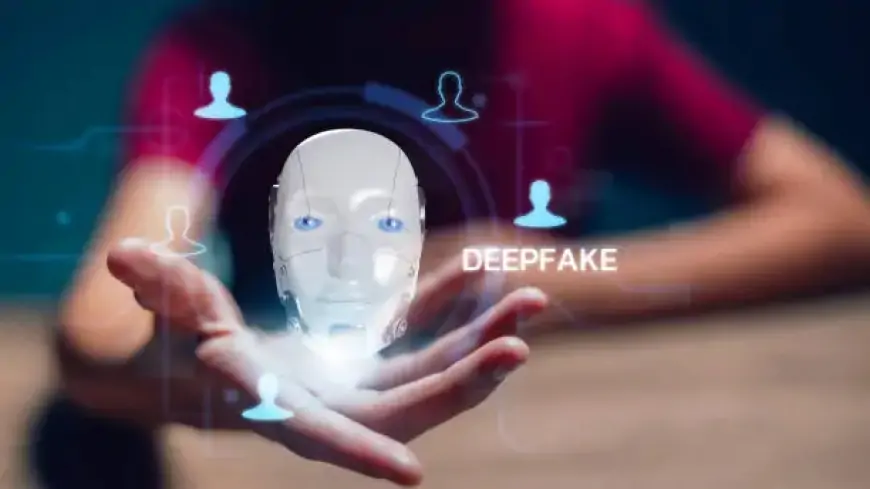
The criminalization of deceptive AI-generated media in New Jersey and other states and countries raises important concerns about the potential stifling of satire, harmless AI creativity, and innovation. While the intention behind these laws is to prevent misinformation and deepfake abuse, they may have unintended consequences that limit freedom of expression and creativity. Here are some ways this could be problematic:

Chilling Effect On Satire And Social Commentary
Laws that criminalize deceptive AI-generated media may lead to self-censorship, as creators may avoid producing content that could be misinterpreted or deemed illegal. This could stifle satire, parody, and social commentary, which often rely on exaggeration, irony, or absurdity to make a point.
Vagueness and Ambiguity
So far, the laws appear too broad or vague, making it difficult to determine what constitutes "deceptive" AI-generated media. This ambiguity could lead to arbitrary enforcement, with some creators facing prosecution while others with similar content do not. It becomes a question of subjective definitions of the rules and subsequent enforcement.
Limitations on AI Creativity and Innovation
Overly restrictive laws may discourage developers and artists from exploring the creative potential of AI-generated media. This could hinder innovation in fields like entertainment, education, and advertising, where AI-generated content could offer new opportunities for engagement and storytelling. For example, would a boy of seven flying a plane be illegal, even if satirical?
Difficulty in Distinguishing Between Malicious and Harmless Content
AI-generated media can be used for both nefarious and benign purposes. Laws that criminalize deceptive media content may struggle to differentiate between content intended to deceive or harm and content that is satirical, humorous, or educational.
Potential for Disproportionate Impact on Marginalized Communities
Laws that restrict AI-generated media may disproportionately affect marginalized communities that rely on satire, parody, or social commentary to express themselves and critique societal norms. These communities may already face barriers to expression and may be more vulnerable to censorship.
Need for Education and Media Literacy
Rather than relying solely on laws to address the issue, it's essential to promote education and media literacy programs that help people critically evaluate the information they consume. This could include teaching people how to identify AI-generated media, recognize satire and parody, and think critically about the sources and motivations behind online content.
While the intention behind laws criminalizing deceptive AI-generated media is understandable, they may have unintended consequences that limit freedom of expression, creativity, and innovation. It's essential to consider these concerns and strive for a balanced approach that addresses the risks associated with AI-generated media while also protecting the rights of creators and promoting media literacy.