








































UNDP Warns AI Boom Risks Widening Global Inequality Between Rich and Poor Nations
UNDP's latest report cautions that unchecked AI advancement could reverse decades of progress in income, health, and education, exacerbating divides between developed and developing countries unless addressed through targeted policies.
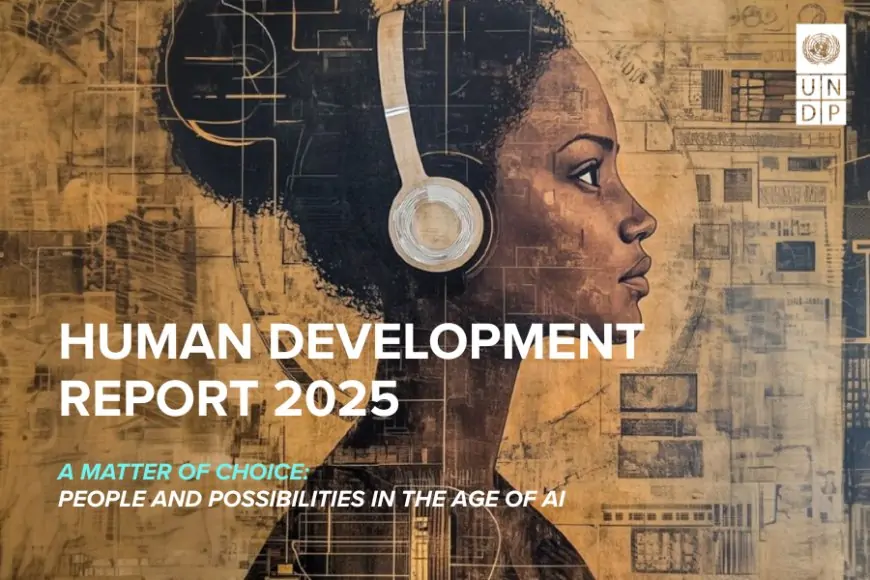
The United Nations Development Programme (UNDP) has issued a stark warning in its 2025 Human Development Report that artificial intelligence (AI) could significantly widen global inequalities, potentially undoing decades of convergence in income levels, health outcomes, and education access between rich and poor nations. Titled "A Matter of Choice: People and Possibilities in the Age of Artificial Intelligence," the report highlights an unprecedented slowdown in human development progress, with the Human Development Index (HDI) showing the weakest growth since 1990 outside pandemic years. This divergence is particularly acute in regions like Asia-Pacific, home to over half of global AI users but where lower-income countries lack essential infrastructure for meaningful gains.


AI's transformative potential—as a general-purpose technology boosting productivity, enabling faster medical diagnoses, better farming advice, and improved disaster response—hinges on equitable access, yet current trajectories favor wealthier nations. The report introduces an AI Readiness Index revealing stark gaps: OECD countries dominate in infrastructure and talent, while low-income areas suffer from data ownership imbalances, with fewer than 10 companies controlling most AI training data globally. In Asia-Pacific, 25% lack internet access, women in South Asia are 40% less likely to own smartphones, and only 14% of people actively use AI tools, leaving 3.7 billion sidelined amid widespread digital skill shortages.
Vulnerable groups face amplified risks, including job displacement from AI automation—one in four companies anticipates losses—and biases in systems that overlook marginalized communities, the elderly, or those in conflict zones. The report warns of "AI global economy" exclusion for those without electricity, internet, or basic skills, compounded by misinformation, surveillance, and opaque "black box" algorithms perpetuating disparities. Asia serves as "ground zero" due to its diverse incomes, widest life expectancy gaps, and high informality, where AI could entrench divides without intervention.
UNDP urges immediate policy actions to steer AI toward shared prosperity, including expanding digital infrastructure and AI literacy, mandating public access to government-funded datasets, establishing ethical international norms, and modernizing social protections. Investments in education, fair competition, and cross-border R&D cooperation are essential to prevent a "new era of divergence," with leaders like Kanni Wignaraja emphasizing that countries must catch up before gaps become irreversible. By prioritizing human-centered governance, nations can harness AI to accelerate Sustainable Development Goals rather than deepen exclusion.